10 Countertop Materials and How to Clean Each One Properly
Different countertop materials need different care approaches. Using the wrong cleaning method can dull finishes or create permanent damage over time.
Here’s what works for the most common countertop cleaning methods, broken down by material type.
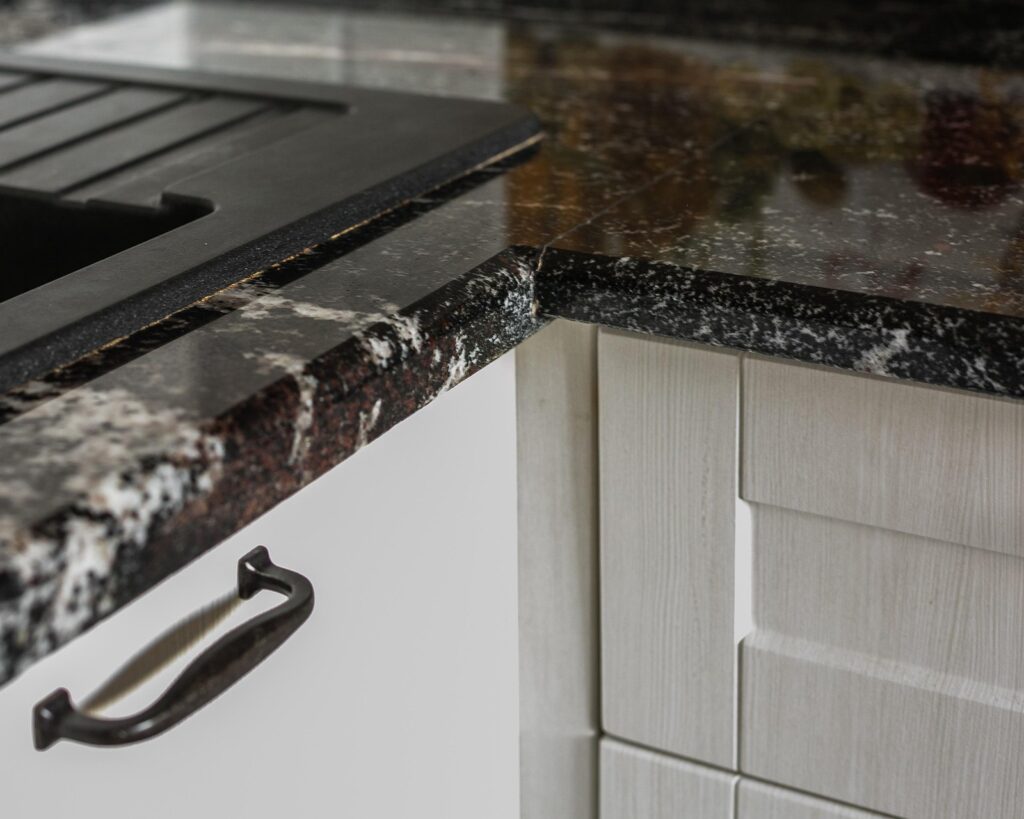
Understanding Countertop Material Differences
Not all counters are made the same way. Some surfaces are porous and absorb liquids easily, while others have protective sealants that need gentle treatment.
The cleaning approach that works for one material might harm another. Knowing what you’re working with helps you choose the right method.
1. Granite Countertops Need Gentle Daily Cleaning
Granite is a natural stone that’s sealed to protect against stains. Daily cleaning works well with warm water and a soft cloth for most spills and messes.
For tougher spots, mild dish soap mixed with water can help lift residue. Avoid acidic cleaners like vinegar or lemon juice since they can break down the sealant over time.
Wipe the surface dry after cleaning to prevent water spots. This also helps maintain the stone’s natural shine.
2. Quartz Countertops Resist Stains with Simple Care
Quartz is engineered to be non-porous, which means it doesn’t absorb liquids easily. A damp cloth with mild soap handles most daily cleaning tasks.
Dried-on food comes off with a plastic scraper used gently. Avoid abrasive pads that can dull the surface finish.
Glass cleaner can work well for streak-free shine. Just spray and wipe with a microfiber cloth.
3. Marble Countertop Cleaning Requires Extra Caution
Marble is softer and more porous than granite. It can etch when exposed to acids, so skip the vinegar and citrus-based products entirely.
Use pH-neutral cleaners designed specifically for marble. Warm water is usually enough for simple day-to-day maintenance between deeper cleans.
Blot spills immediately rather than wiping them around. This prevents staining from settling into the stone’s surface.
4. Laminate Countertops Clean Up with Basic Products
Laminate surfaces are budget-friendly and can handle most common household cleaners. All-purpose spray or diluted dish soap works well for routine cleaning.
Avoid excessive water that can seep into seams. Wring out your cloth well before wiping down the surface.
Baking soda paste can tackle stubborn stains without scratching. Let it sit for a few minutes before gentle scrubbing.
5. Butcher Block Countertop Maintenance Includes Regular Oiling
Wood countertops need special attention to prevent drying and cracking. Clean with mild soap and water, then dry immediately to avoid water damage.
Sanitize occasionally with diluted bleach solution for cutting areas. Rinse thoroughly and let the surface dry completely.
Apply food-safe mineral oil monthly to keep the wood conditioned. This can help prevent moisture absorption and maintains the finish.
6. Concrete Countertop Care Protects the Sealant
Sealed concrete can handle moderate cleaning with pH-neutral products. Warm, lightly soapy water is generally enough for routine upkeep without putting stress on the protective layer.
Avoid harsh chemicals or acidic cleaners that can wear down the sealant. Resealing every few years helps maintain protection against stains.
Wax application between sealant treatments can add extra protection. Use a concrete-safe wax and buff with a soft cloth.
7. Soapstone Countertops Develop Character with Mineral Oil
Soapstone is naturally non-porous and doesn’t stain easily. Simple soap and water handle most cleaning needs without special products.
The surface can develop a patina over time. Some people embrace this natural aging while others prefer to maintain evenness with mineral oil application.
Sand out minor scratches with fine-grit sandpaper if desired. The stone is soft enough to smooth but durable enough for daily use.
8. Tile Countertop Cleaning Focuses on Grout Lines
Ceramic or porcelain tiles tend to clean easily with all-purpose cleaners. The challenge comes with keeping grout lines free from buildup and discoloration.
Use a grout brush with baking soda paste for deeper cleaning between tiles. This helps lift stains without harsh chemicals that could damage the grout.
Sealing grout once a year can help reduce staining and keep countertops looking cleaner.
9. Stainless Steel Countertops Shine with Proper Direction
Commercial kitchens often use stainless steel for good reason—it’s durable and sanitary. Clean with warm, soapy water and wipe in the direction of the grain to help prevent streaking.
Glass cleaner or stainless steel polish can help restore shine after cleaning. Spray and buff with a microfiber cloth for a polished finish.
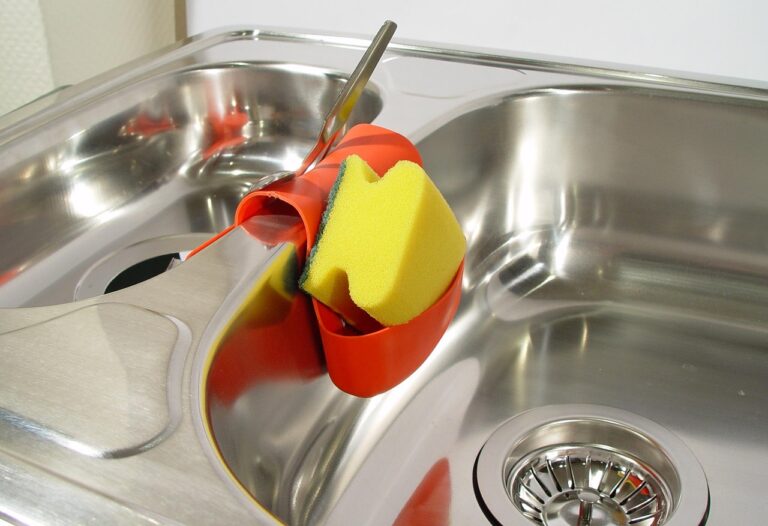
Avoid abrasive scrubbers that can scratch the surface. Stick with soft cloths or non-scratch sponges for scrubbing.
10. Solid Surface Countertops Handle Most Cleaning Methods
Materials like Corian fall into this category and tolerate many cleaning approaches. Ammonia-based cleaners can help remove film and restore shine.
Minor scratches can usually be buffed out with fine abrasive cleaners, making solid surfaces a bit more forgiving than natural stone.
Avoid placing hot pots directly on the surface, as heat can cause damage that’s harder to repair than scratches.
Countertop Cleaning Mistakes to Avoid
Using the wrong products can sometimes cause more damage than the original mess. Bleach may discolor certain materials, while acidic cleaners can etch natural stone surfaces.
Abrasive scrubbers can leave permanent scratches on softer materials. It’s a good idea to test new cleaning products in an inconspicuous spot first.
Letting spills sit too long increases the chance of staining. Quick cleanup helps prevent many potential issues, no matter the countertop material.
Questions & Answers About Countertop Cleaning Methods
How often should you clean different countertop materials?
Daily wiping with appropriate cleaners keeps most surfaces in good condition. Granite, quartz, and laminate generally handle daily cleaning with their respective safe products.
Natural stones like marble may benefit from less frequent deep cleaning to avoid wearing down sealants. Weekly thorough cleaning works for most households, with daily spot cleaning in between.
What cleaning products damage countertops?
Acidic cleaners such as vinegar, lemon juice, and harsh chemicals can etch or dull natural stone surfaces. Abrasive powders and scrubbing pads can scratch softer materials, including marble and laminate.
Bleach can discolor some surfaces and degrade sealants over time. Always check manufacturer recommendations for your specific countertop material.
Can you use vinegar on all countertop types?
Vinegar is safe for some surfaces but can damage others. It’s generally fine for laminate and stainless steel but should be avoided on granite, marble, and other natural stones.
The acid in vinegar can etch stone surfaces and wear down protective sealants. For natural stone countertops, stick with pH-neutral cleaners.
How do you remove stains from specific countertops?
A baking soda paste works well for many surfaces, including laminate and quartz. Mix with water, apply to the stain, let it sit briefly, then gently scrub.
For natural stone, use poultice methods designed for that material. Oil-based and water-based stains often require different treatments.
Can you use disinfectant wipes on all countertops?
Most disinfectant wipes are safe for laminate, quartz, and solid surfaces. Check labels to confirm they’re safe for your specific material.
Some natural stones may be sensitive to certain chemicals in wipes. When in doubt, stick with soap and water or products specifically designed for your countertop type.
Keep Your Countertops Looking Their Best
Using the right cleaning approach helps maintain your counters without causing unnecessary wear. Each material has specific needs, and matching them with suitable products makes care more effective.
Start with the gentlest method that gets the job done. Your countertops can stay cleaner and last longer with the proper care routine.