10 Simple Tasks To Maintain Kitchen Tiles
Kitchen tiles deal with splashes, spills, and daily use. Regular attention can help keep them looking clean and may reduce wear over time. These simple steps tend to work well with most tile types and blend easily into regular cleaning habits.
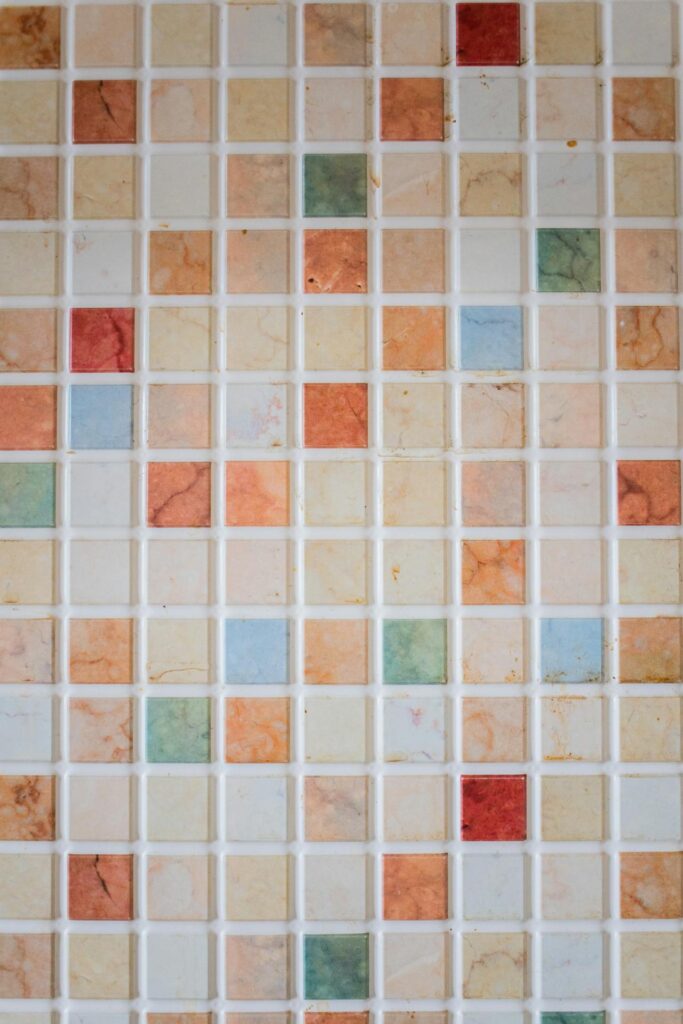
Why Regular Kitchen Tile Care Matters
Tiles might seem low-maintenance, but they benefit from consistent care. Grout lines can absorb stains, and surface buildup can dull the finish.
A little routine attention tends to prevent bigger cleaning projects later.
1. Wipe Down Kitchen Tiles After Cooking Sessions
Grease and food particles settle on tile surfaces during cooking. A quick wipe with a damp cloth can remove fresh residue before it hardens.
This simple habit takes just a minute or two. Catching spills early makes them easier to clean than dried buildup.
Focus on backsplash areas near the stove where splatter tends to land most.
2. Clean Kitchen Tile Grout Lines Monthly
Grout is porous and can trap dirt over time. A soft brush with mild cleaner can help refresh those lines without harsh scrubbing.
Work in small sections to maintain kitchen tiles and their grout effectively. Light, regular cleaning often works better than occasional deep scrubs.
Rinse thoroughly after cleaning to avoid soap residue in the grout.
3. Use pH-Neutral Cleaners on Tile Surfaces
Strong acids or alkalis might damage certain tile finishes. A pH-neutral cleaner is gentler on most surfaces and grout.
This approach can help protect the tile’s original finish. It’s especially relevant for natural stone tiles that are more sensitive to harsh chemicals.
Check product labels to confirm they’re safe for your specific tile type.
4. Dry Kitchen Floor Tiles After Washing
Standing water can seep into grout and potentially cause issues over time. A quick pass with a dry mop or towel is usually enough to clear the extra moisture.
This step can be helpful in high-traffic kitchen areas. It can reduce the chance of water-related grout problems.
Drying also prevents slippery surfaces and water spots on the tile.
5. Seal Grout Lines to Protect from Stains
Grout sealers add a protective layer that resists moisture and staining. Applying sealer once or twice a year can help maintain kitchen tiles and grout condition.
The process is straightforward with a small applicator brush. Let the sealer cure fully before exposing grout to water.
Check the manufacturer’s recommendation for reapplication timing based on your tile usage.
6. Address Spills on Kitchen Backsplash Tiles Quickly
Oil, tomato sauce, and other cooking liquids can leave marks if left sitting. Wiping them within a few hours prevents absorption into grout.
Keep a cloth or sponge handy near the cooking area. Quick attention to fresh spills reduces the need for heavy-duty cleaning later.
Some substances stain faster than others, so speed helps with maintenance.
7. Sweep or Vacuum Kitchen Floor Tiles Regularly
Dirt and grit tend to act like sandpaper on tile surfaces when walked on. Regular sweeping removes these particles before they cause scratches.
This task fits easily into daily or every-other-day routines. It’s a simple ways to maintain kitchen tiles underfoot.
A soft-bristle broom or vacuum without a beater bar works well for tile floors.
8. Check Tile Caulking Around Counters and Backsplashes
Caulk lines seal gaps where tiles meet other surfaces. Over time, caulk can crack or pull away, allowing moisture behind tiles.
Inspect these areas every few months for separation or damage. Replacing worn caulk can prevent water from reaching spaces it shouldn’t.
Fresh caulk is inexpensive and relatively easy to apply with basic tools.
9. Avoid Abrasive Scrubbers on Tile Finishes
Steel wool and rough scouring pads can scratch glazed tile surfaces. Soft cloths, sponges, or nylon brushes are gentler options.
Even when dealing with stubborn spots, patience with mild methods tends to work. Scratches in tile finishes can trap dirt and make future cleaning harder.
Test any new cleaning tool in an inconspicuous spot first if you’re unsure.
10. Refresh Kitchen Tile Grout with Light Bleach Solution Occasionally
A diluted bleach solution can help brighten grout that’s looking dull. Keep the mix weak and apply it carefully to grout lines only.
This method can help maintain kitchen tiles and keep grout looking fresher. Make sure the area is well-ventilated and avoid letting bleach sit too long, especially on colored grout.
Rinse thoroughly afterward, and consider applying a grout sealer for extra protection.
What Can Affect Tile and Grout Condition
Certain factors speed up wear on kitchen surfaces. Hard water can leave mineral deposits that build up over time.
High heat near stoves might discolor grout faster in those spots. Understanding these influences helps you adjust maintenance in problem areas.
Different tile materials also respond in their own ways to cleaners and conditions, so it’s important to choose methods suited to your surfaces.
Questions & Answers About Kitchen Tile Maintenance
How often should you clean kitchen tile grout?
Light cleaning monthly can help keep grout fresh in most kitchens. High-use areas might benefit from bi-weekly attention.
Deep cleaning once or twice a year tackles embedded stains. The frequency depends on cooking habits and tile traffic.
Can you use vinegar on kitchen tiles?
Vinegar works on ceramic tiles but can damage natural stone like marble or travertine. It’s acidic and might etch certain surfaces over time.
For natural stone tiles, stick with pH-neutral cleaners designed for that material. Always test in a small area if you’re unsure about compatibility.
How do you prevent grout from staining?
Sealing grout helps form a protective barrier against stains and moisture. Quickly wiping up spills also reduces the chance of them soaking in.
Regular, gentle cleaning keeps buildup from forming and discoloring grout. Together, these simple habits can help grout lines stay looking cleaner for longer.
Why do kitchen tiles get dull over time?
Buildup from cooking oils, soap residue, and hard water can create a film on tiles. This layer reduces the tile’s natural shine.
Regular cleaning with appropriate products can remove this buildup. Rinsing well after cleaning also prevents new residue from forming.
Is it necessary to seal ceramic tile?
Cooking oils, soap residue, and hard water can leave a thin film on tiles, which may reduce their natural shine.
Regular cleaning with gentle, suitable products can help remove this buildup, and thorough rinsing afterward prevents new residue from forming.
What causes grout to crack in kitchens?
Grout can crack over time due to movement in the surface beneath it. Temperature changes and natural settling can also contribute.
Using grout that’s too rigid for the area may make cracking more likely. Keeping grout sealed can help maintain some flexibility and reduce issues caused by moisture.
How can you remove hard water stains from tiles?
A simple paste of baking soda and water can gently lift mineral deposits. Apply it to the affected area, let it sit for a short time, then wipe it away.
For tougher hard water marks, commercial lime removers can be effective. Be sure to rinse thoroughly afterward to prevent any new residue from forming.
Keeping Kitchen Tiles in Good Shape
Simple, consistent care can help maintain kitchen tiles without major effort. These tasks can fit into regular cleaning and take just a few extra minutes.
The goal is to prevent buildup and damage rather than constantly fixing problems.