Hallways a lot of wear from constant foot traffic. They often connect every room in your home, which means they accumulate dirt, clutter, and wear faster than most spaces. Learning how to maintain clean hallways can help reduce your cleaning time while keeping these high-traffic zones looking fresher throughout the week.
Why Hallway Maintenance Matters
Hallways often get overlooked during regular cleaning routines. They’re transitional spaces, so dirt and debris from shoes and everyday activity tend to collect quickly.
Clean hallway floors and organized spaces can make your entire home feel more pulled together. These areas can influence how your home feels as you move through it, and keeping them maintained doesn’t have to mean hours of extra work.
1. Place Doormats at Entry Points to Reduce Hallway Dirt
One of the simplest ways to maintain clean hallways starts before anyone even enters them. Doormats trap dirt, moisture, and debris from shoes right at the threshold.
Position a mat both outside and inside each entrance that leads to a hallway. This double-layer approach can catch more particles before they spread.
Choose mats with textured surfaces that actually grip dirt. Shake them out or vacuum them weekly to keep them effective.
2. Establish a Quick Daily Sweep for Hallway Floors
Daily hallway maintenance can take less than five minutes but makes a noticeable difference. A quick sweep or vacuum (depending on your floor type) removes surface dirt before it spreads to other rooms. Hard floors do well with sweeping, while carpets may need a vacuum.
Focus on corners and baseboards where dust tends to settle. These spots can collect debris that regular foot traffic misses.
Keep a small broom or handheld vacuum nearby so the task feels easier . The easier it is to grab your tools, the more likely you’ll stick with the routine.
Also read: 10 Ways to Protect Your Floors While Cleaning Them
3. Limit Hallway Clutter with Designated Storage Solutions
Clutter tend to accumulate in hallways because they’re easy spots to drop things. Shoes, bags, coats, and random items pile up when there’s no clear system.
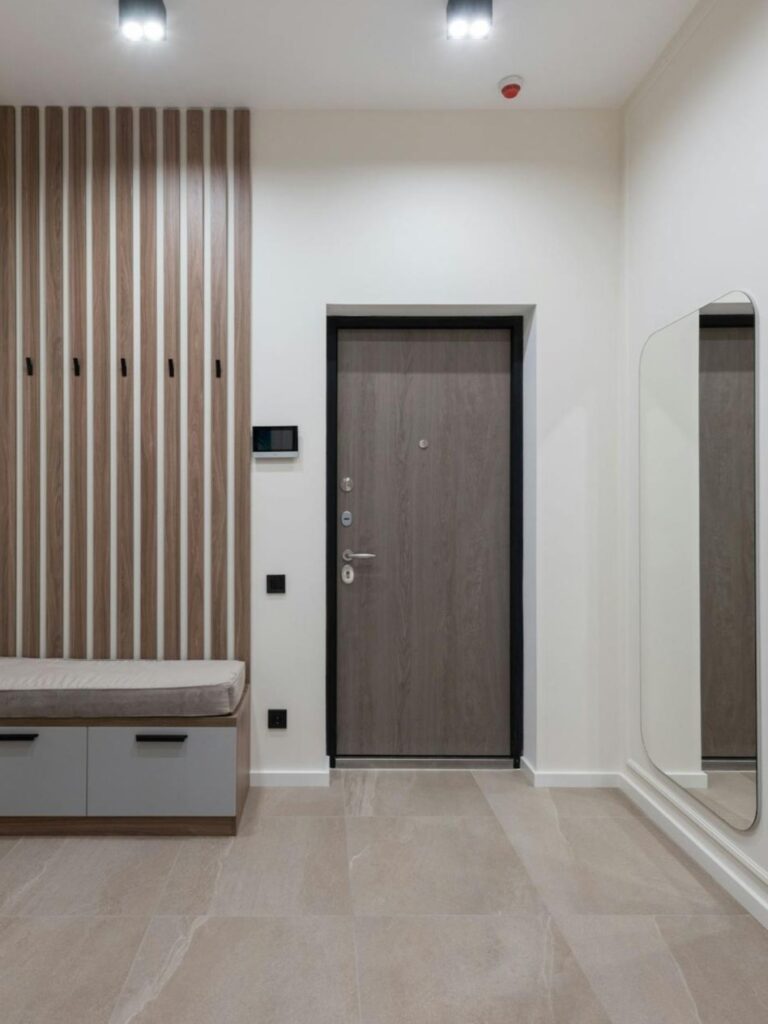
Add hooks, small benches with storage, or wall-mounted organizers to give the things you use most a clear spot. When items have designated spots, hallway organization becomes much easier.
Limit what you store in these spaces to what actually belongs there. The less you keep in hallways, the easier they are to keep clean.
4. Use Washable Rugs for High-Traffic Hallway Areas
Rugs protect floors and trap dirt in specific zones. Placing washable runners along high-traffic stretches can extend the time between deep cleaning sessions.
Choose rugs that are machine washable or easy to clean. Check care instructions, as some rugs with rubber backing or special fabrics need gentle handling.
Machine-washable options make hallway upkeep far more manageable.
Secure rugs with non-slip pads underneath. This prevents bunching and makes vacuuming easier when you need to clean around them.
Also read: 5 Simple Tasks to Avoid Sticky Cabinets
5. Wipe Down Walls and Light Switches to Maintain Hallway Cleanliness
Hallway walls can collect fingerprints, scuff marks, and dust over time. These smudges build up gradually but become obvious once you notice them.
Keep cleaning wipes or a damp microfiber cloth handy for quick spot-cleaning. Test any cleaner in an inconspicuous area first, especially on delicate or textured paint.
A monthly wipe-down of walls and light switches can prevent grime from setting in.
Focus on areas around doorways and light switches where hands touch most often. These high-contact zones show dirt faster than other wall surfaces.
6. Dust Light Fixtures and Ceiling Corners for Complete Hallway Cleaning
Ceiling areas in hallways are often overlooked during routine cleaning. Light fixtures, ceiling corners, and vents can collect dust, which may eventually settle onto clean floors.
Use an extendable duster or microfiber cloth on a pole to reach these spots without a ladder. A quick pass every few weeks can prevent visible dust buildup.
This step only takes a few minutes but helps prevent dust from undoing your floor cleaning. Tackling dust from top to bottom makes sense for maintaining cleanliness.
Also read: 12 Simple Ways to Clean Your Dishwasher Exterior
7. Schedule Monthly Deep Cleaning for Hallway Maintenance
Daily maintenance helps, but hallways still need occasional deep attention. Set aside time once a month to mop floors, dust baseboards, and clean light fixtures thoroughly.
This deeper clean catches what daily sweeping misses. Dirt can build up in grout lines, corners, and along trim even with regular upkeep.
Break the task into sections if a full hallway feels overwhelming. Tackle one area at a time rather than trying to complete everything in one session.
What Can Derail Hallway Cleanliness
Even with good habits, certain factors may work against your efforts. Recognizing these challenges can help you adjust your approach.
High foot traffic naturally means more dirt. If your hallway connects busy areas, you might need to sweep more frequently than the standard daily pass.
Lack of storage can create clutter buildup. When there’s nowhere to put items, they tend to gather in hallways..
If small maintenance tasks are skipped, messes can build up over time. Missing a few days of sweeping may make cleaning a bit more time-consuming later.
Questions and Answers About Maintaining Clean Hallways
How often should hallways be cleaned?
Daily sweeping or vacuuming helps maintain clean hallways in high-traffic homes. This quick pass can prevent dirt from accumulating and spreading to other rooms.
Monthly deep cleaning should include mopping, baseboard dusting, and wall spot-cleaning. Adjust frequency based on how much traffic your hallways see.
What causes hallways to get dirty quickly?
Hallways often collect dirt from shoes and daily traffic, especially if doormats or storage solutions are limited.
Dust from nearby rooms can also settle in hallways, so keeping adjacent spaces tidy can help reduce buildup.
How do you keep hallway floors clean longer?
Place doormats at entry points and consider removing shoes indoors. These small steps help limit dirt from reaching hallway floors.
Using washable rugs in busy areas can catch dirt before it spreads, and regular vacuuming of these rugs helps keep floors cleaner for longer.
Can area rugs help with hallway maintenance?
Area rugs and runners can protect floors and trap dirt in specific zones. Washable options make them practical for regular cleaning.
Use non-slip pads to keep rugs in place. This prevents shifting, makes vacuuming easier, and keeps the hallway looking tidy.
How do you clean hallway walls without damaging paint?
Use a damp microfiber cloth or gentle cleaning wipes for spot-cleaning. Test any cleaning solution in an inconspicuous area first to check for paint damage.
Focus on high-touch areas like light switches and door frames where fingerprints accumulate. Light, regular cleaning helps prevent the need for aggressive scrubbing later.
Should hallways be vacuumed or swept?
Both methods work depending on your floor type. Vacuuming tends to capture more dust and works well on carpeted or hard floors.
Sweeping can be faster for a quick daily pass on hard surfaces. Use whichever method fits your routine.
Keep Your Hallways Working for You
Maintaining clean hallways doesn’t require perfection or hours of effort. Small, consistent habits can help these high-traffic spaces stay fresher between deep cleaning sessions.
Focus on the strategies that fit your schedule and home layout. Even adding one or two of these practices can make hallway upkeep feel more manageable.