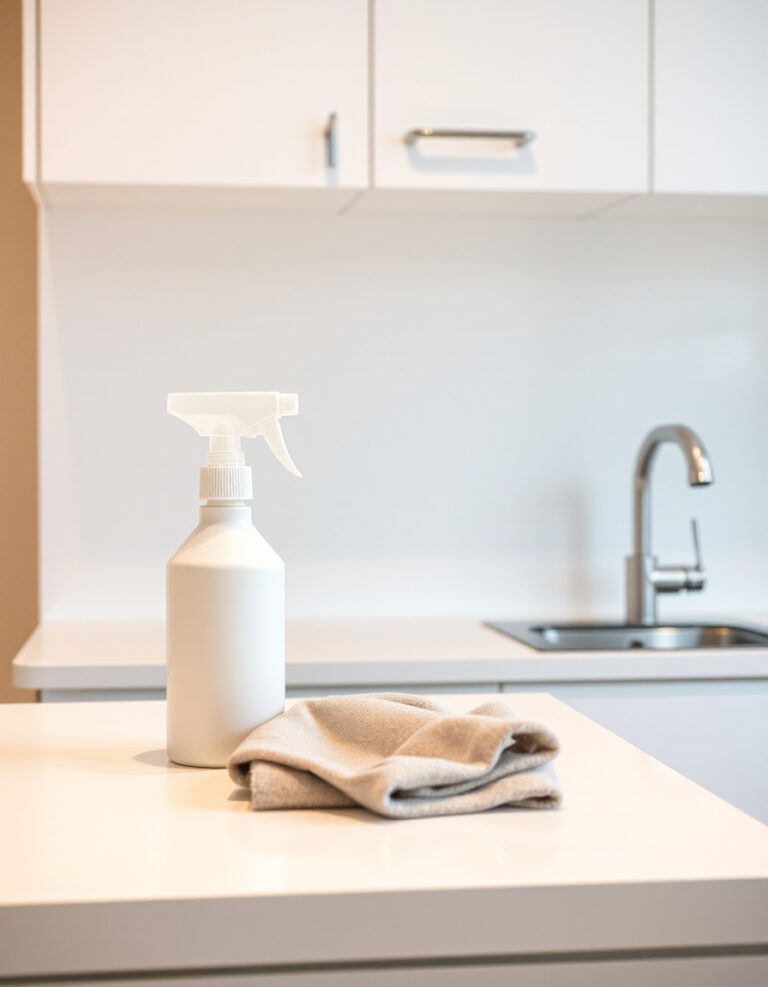
8 Things to Wipe While Waiting for Coffee
Coffee takes a few minutes to brew. Those minutes sit there, easy to fill with small tasks that keep surfaces fresh.
Wiping down a few spots while you wait turns idle time into progress. It’s not about deep cleaning or big routines—just quick passes that help maintain a tidy space.
Here are eight things to wipe while waiting for coffee that fit into those short morning moments.
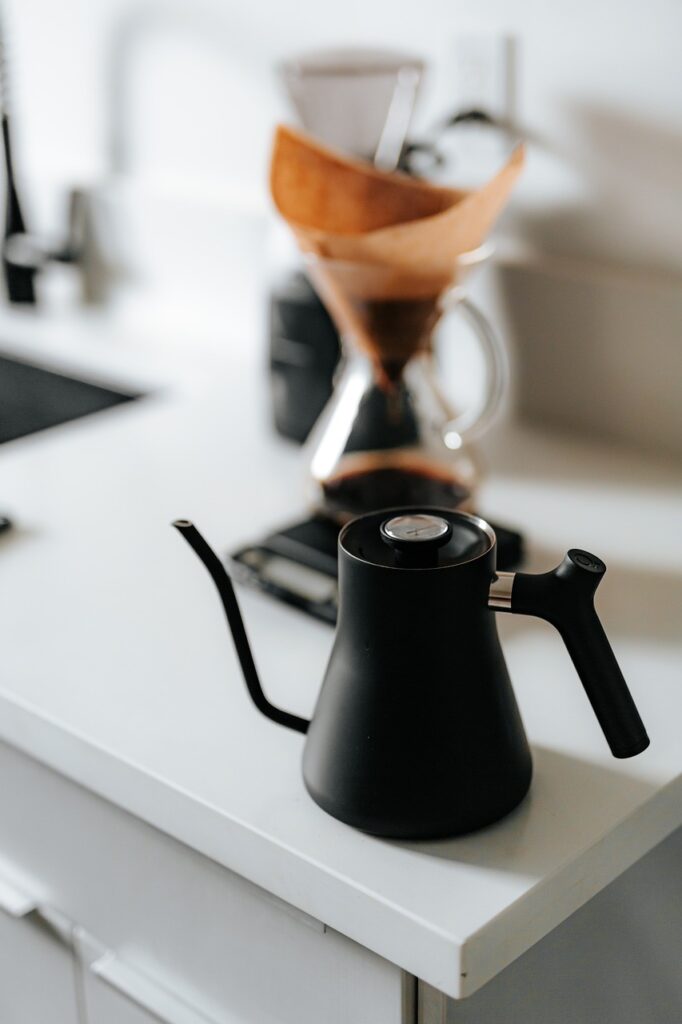
Why Morning Cleaning Minutes Matter
Coffee brewing usually takes three to five minutes. That’s enough time to grab a cloth and refresh a surface or two.
These aren’t tasks that require planning or products. A damp microfiber cloth handles most jobs. The goal is using time that’s already set aside, not adding more to your routine.
Small wipe-downs help surfaces stay clean without dedicating separate blocks of time to cleaning.
1. Wipe Down Your Coffee Maker Exterior
The coffee maker itself tends to collect drips and dust. A quick pass with a cloth keeps it looking maintained.
Focus on the top, sides, and the area around the buttons. These spots pick up splatters and fingerprints over time.
If there’s a warming plate, check for dried coffee rings. They lift easily when you catch them early.
2. Clean Kitchen Counters Near the Coffee Station
Counters around the coffee area see crumbs, spills, and stray grounds. A simple wipe clears them before anything sets in.
Move any items sitting there, then run your cloth across the surface. Pay attention to corners where debris tends to gather.
This works well for granite, laminate, or tile counters—most materials handle a damp cloth without issue.
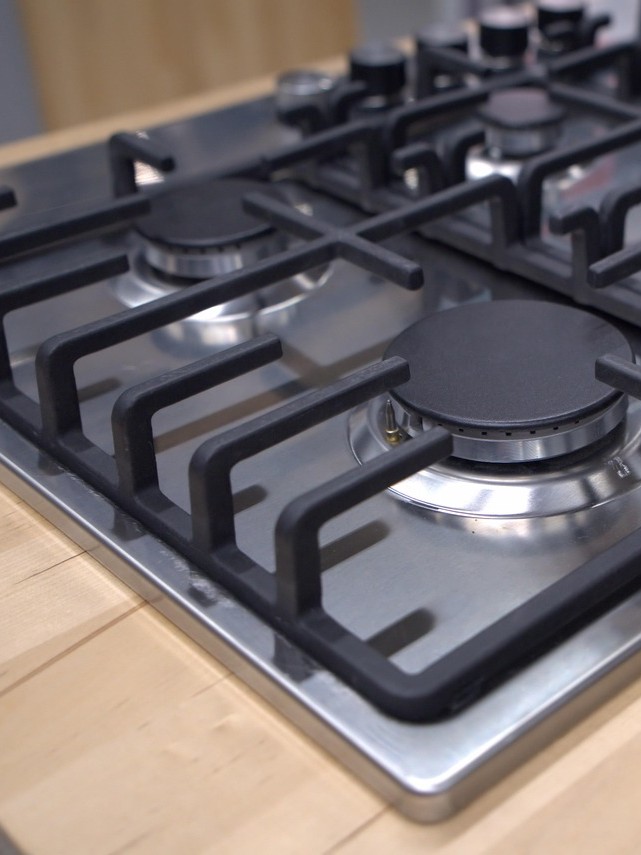
3. Wipe the Stovetop Surface Between Uses
Stovetops collect splashes and grease from cooking. A light wipe prevents buildup that hardens over time.
Use a slightly damp cloth on cool burners. For electric coils, wipe the drip pans underneath if they’re removable.
Gas stoves benefit from wiping around the grates. This keeps the surface ready for the next meal without sticky residue.
4. Refresh Cabinet Fronts and Drawer Pulls
Cabinet doors and handles get touched constantly. They develop a layer of oils and smudges that dull their appearance.
Run your cloth over the fronts near the coffee setup. Handles and knobs need attention too—they collect grime quickly.
Wooden cabinets respond well to a barely damp cloth. Painted or laminate finishes tolerate a bit more moisture.
5. Wipe Light Switches and Outlet Covers
Light switches sit near food prep areas and pick up fingerprints and splatters. A quick wipe keeps them looking fresh.
Use a dry or barely damp cloth—outlets don’t mix well with moisture. Focus on the plastic covers, not the openings.
This small step can make a noticeable difference in how clean the space feels overall.
6. Clean Your Kitchen Sink Rim and Faucet Base
The sink rim collects water spots and soap residue. The faucet base gathers grime where it meets the counter.
Wipe around the edges of the sink bowl, especially where water pools. The faucet handles benefit from a quick polish too.
This helps prevent the cloudy buildup that makes stainless steel look worn. It takes seconds but can keep the sink looking presentable.
7. Wipe Down Small Appliances You Use Daily
Toasters, blenders, and microwaves sit on counters and accumulate dust and crumbs. A regular wipe helps keep them clean.
For toasters, focus on the exterior and the crumb tray if it’s removable. Blender bases need attention around the buttons.
Microwaves collect splatters inside, but the exterior handle and control panel need wiping too. These surfaces tend to get touched often.
8. Clean the Front of Your Refrigerator
Refrigerator fronts can show fingerprints, especially on stainless steel. A quick pass with a cloth removes smudges.
Pay attention to the handle—it can get grimy fast. The area around any water or ice dispensers also needs regular attention.
If you have a white or colored fridge, look for scuff marks or sticky spots. They tend to lift easily when fresh.
Choosing the Right Cleaning Cloth
Microfiber cloths work well for most surfaces. They can pick up dust and handle light spills without leaving streaks.
Keep one cloth slightly damp for sticky spots and another dry for polishing. This gives you flexibility depending on what needs attention.
Avoid overly wet cloths on wood or electronics. A light touch can prevent damage while still getting surfaces clean.
Questions & Answers
What can you clean in 5 minutes while coffee brews?
Most coffee makers take three to five minutes to brew a full pot. That’s enough time to wipe counters, the coffee maker itself, and a couple of nearby surfaces.
Focus on high-touch areas like cabinet handles and light switches. These spots benefit from frequent, quick cleaning.
How often should you wipe kitchen surfaces?
Daily wiping helps surfaces stay fresh without much effort. Counters and stovetops benefit from attention after each use.
Other surfaces like cabinet fronts or appliance exteriors can go a few days between wipes. It depends on how much activity your kitchen sees.
Should you clean your coffee maker every day?
The exterior benefits from daily wiping to remove drips and dust. The interior brewing components need deeper cleaning less often.
A quick wipe of the outside helps keep it looking maintained. Full descaling or internal cleaning happens on a monthly schedule for most users.
Can you use plain water for wiping surfaces?
Plain water handles light dust and fresh spills on most everyday surfaces. It’s usually enough for quick maintenance wiping.
If you’re dealing with something sticky or slightly greasy, a small amount of dish soap gives you more traction. Most of these short morning wipe-downs don’t call for anything beyond that.
How do you prevent water spots on stainless steel?
Drying stainless steel after cleaning helps cut down on the light marks that show up as it air-dries. A dry microfiber cloth gives the surface a smoother finish without much effort.
Wiping in the direction of the grain tends to sit more naturally on these surfaces, whether it’s an appliance, sink, or faucet.
What surfaces should you avoid wiping with water?
Electronics and wood surfaces need careful handling. Use barely damp cloths rather than wet ones.
Unsealed wood can warp or stain with too much moisture.
Is morning the best time for quick cleaning?
Morning works well because you’re already in the kitchen and waiting on coffee. The routine happens naturally without extra planning.
Evening wipe-downs help too, especially after cooking. Choose whatever timing fits into moments you’re already standing in the kitchen.
Wrapping Up Your Coffee-Time Cleaning
Those few minutes while coffee brews offer a practical window for small cleaning tasks. Wiping a surface or two keeps spaces maintained without requiring dedicated cleaning time.
Choose what makes sense for your kitchen layout and what needs attention most. The goal is using time that’s already there, not adding pressure to your morning.