9 Simple Ways to Care for Your Cleaning Brushes and Gloves
Your cleaning tools work hard to keep your home tidy. Taking a few minutes to maintain them can help them last longer and stay more hygienic.
Cleaning brushes and gloves need regular care just like any other household items. Here are some practical approaches that tend to work well.
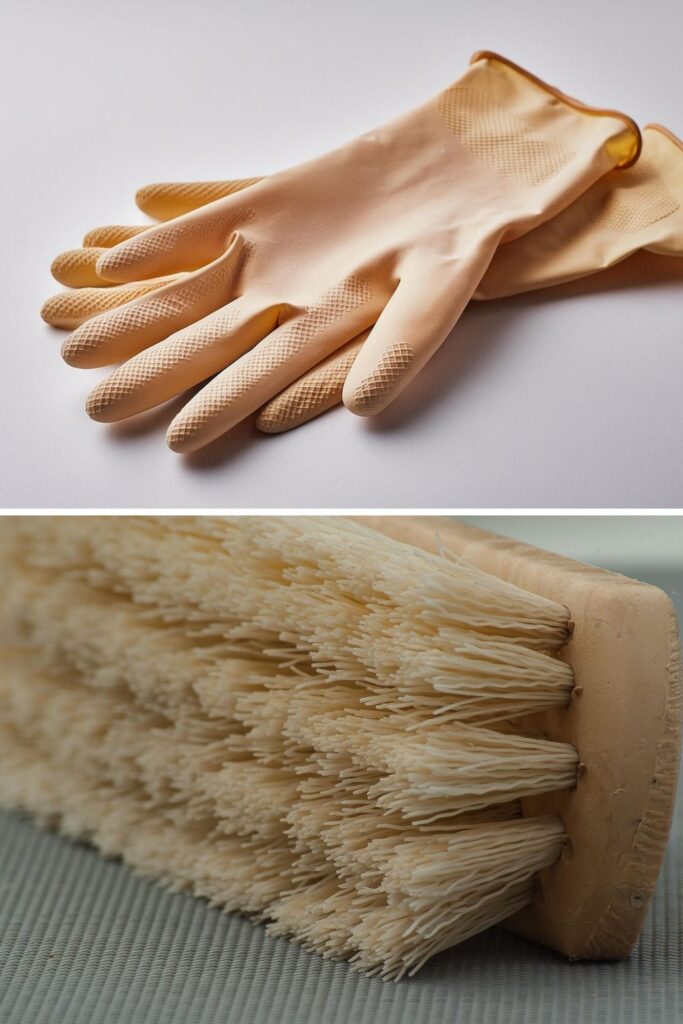
Why Cleaning Tool Maintenance Matters
Dirty brushes can spread bacteria instead of removing it. Grimy gloves can develop odors or break down faster than they should.
Brush maintenance doesn’t require much time or effort. A quick rinse after each use can prevent buildup and keep your tools ready for the next cleaning session.
1. Rinse Cleaning Brushes Thoroughly After Each Use
The simplest habit is rinsing your brush right after you finish cleaning. Hold it under warm running water and work your fingers through the bristles.
You might see dirt, soap, or debris wash away within a minute. Keep rinsing until the water runs clear.
This quick step can prevent grime from hardening in the bristles overnight.
2. Deep Clean Brushes Weekly with Dish Soap
Even with regular rinsing, brushes can accumulate residue over time. Once a week, give them a more thorough wash with dish soap or hand soap.
Work the soap through the brush bristles in a circular motion. Pay attention to the base where dirt tends to collect.
Rinse completely and squeeze out excess water before storing.
3. Disinfect Brushes Monthly for Better Hygiene
For brushes used in bathrooms or kitchens, periodic disinfection can help reduce bacteria. Mix a solution of one part white vinegar to one part water.
Soak the brush bristles for 10-15 minutes, then rinse well. You can also use a diluted bleach solution if the brush material allows it.
Let the brush air dry completely before using it again.
4. Wash Rubber Gloves Inside and Out
Glove care means cleaning both surfaces. After removing your gloves, turn them inside out and rinse under warm water.
Add a small amount of soap and rub the surfaces together. This helps remove sweat, oils, and any cleaning product residue.
Rinse thoroughly and hang to dry with the insides exposed to air.
5. Check Gloves for Small Tears or Weak Spots
Before each use, take a quick look at your gloves. Small holes can let water or cleaning solutions reach your skin.
Hold them up to the light or fill them with water to spot leaks. Catching damage early can prevent skin irritation during cleaning tasks.
6. Dry Cleaning Brushes and Gloves Completely Between Uses
Moisture creates an environment where bacteria and mold can grow. After washing your tools, give them time to dry fully.
Hang gloves over a drying rack or clothesline. Stand brushes upright in a container or lay them flat on a towel.
Proper drying can help extend the lifespan of both items.
7. Store Brushes with Bristles Facing Up
How you store your brushes can affect their shape and cleanliness. Keep them in a container or caddy with bristles pointing upward.
This helps prevent the bristles from getting crushed or bent. It also allows any remaining moisture to drip down and away from the bristles.
A well-organized storage spot can make it easier to grab the right brush when you need it.
8. Rotate Between Multiple Pairs of Gloves
Having more than one pair of cleaning gloves can help each set last longer. While one pair dries completely, you can use the other for your next cleaning task.
This approach can make cleaning more comfortable by avoiding damp gloves and gives each pair a chance to dry fully between uses.
Two or three pairs can work well for most households.
9. Avoid Harsh Chemicals That Damage Glove Material
Some cleaning products can break down rubber or latex over time. If you notice your gloves becoming sticky or brittle, they might be reacting to certain chemicals.
Check product labels for compatibility warnings. Consider rotating between different pairs if you use strong solvents regularly.
Treating your gloves gently can help them maintain flexibility longer.
Mistakes to Avoid with Cleaning Tool Care
Skipping the rinse step after use can make dried-on grime harder to remove later.
Storing tools while they’re still damp may lead to musty odors or bacterial growth in the bristles.
Using boiling water on gloves might seem like a good way to disinfect, but it can weaken some materials. Warm water is usually enough for regular cleaning.
Questions & Answers: Caring for Cleaning Brushes and Gloves
How often should you clean cleaning brushes?
Rinse your brushes after every use to remove loose dirt and cleaning solution. A deeper clean with soap once a week can help maintain hygiene.
For brushes used in high-bacteria areas like toilets, disinfecting them every few weeks might be helpful.
How do you remove stains from rubber cleaning gloves?
Mix baking soda with a small amount of water to form a paste. Rub this onto stained areas and let it sit for 5-10 minutes.
Rinse thoroughly with warm water. For stubborn stains, white vinegar might help lift discoloration without damaging the rubber.
How do you sanitize used cleaning brushes?
Soaking brushes in a vinegar-water solution for 10-15 minutes can help reduce bacteria. A diluted bleach solution also works for most brush types.
Always rinse thoroughly after disinfecting. Make sure the brush dries completely before storing it away.
Should you clean gloves after every use?
A quick rinse after each use can prevent buildup and keep gloves fresher. A more thorough wash with soap might be helpful after tasks involving particularly dirty areas.
Can cleaning brushes harbor bacteria even after rinsing?
Yes, moisture and organic material in bristles can support bacterial growth. Regular disinfection and complete drying can help minimize this risk.
Brushes used in bathrooms or kitchens might benefit from weekly or biweekly sanitizing. Pay attention to any musty smells, which could indicate bacterial buildup.
Keep Your Cleaning Tools in Good Shape
Taking care of cleaning brushes and gloves doesn’t require much time or special products. A few simple habits can help your tools stay cleaner and potentially last longer.
Regular rinsing, proper drying, and occasional deep cleaning tend to be the most practical steps. These approaches can help maintain the supplies that keep your home clean.