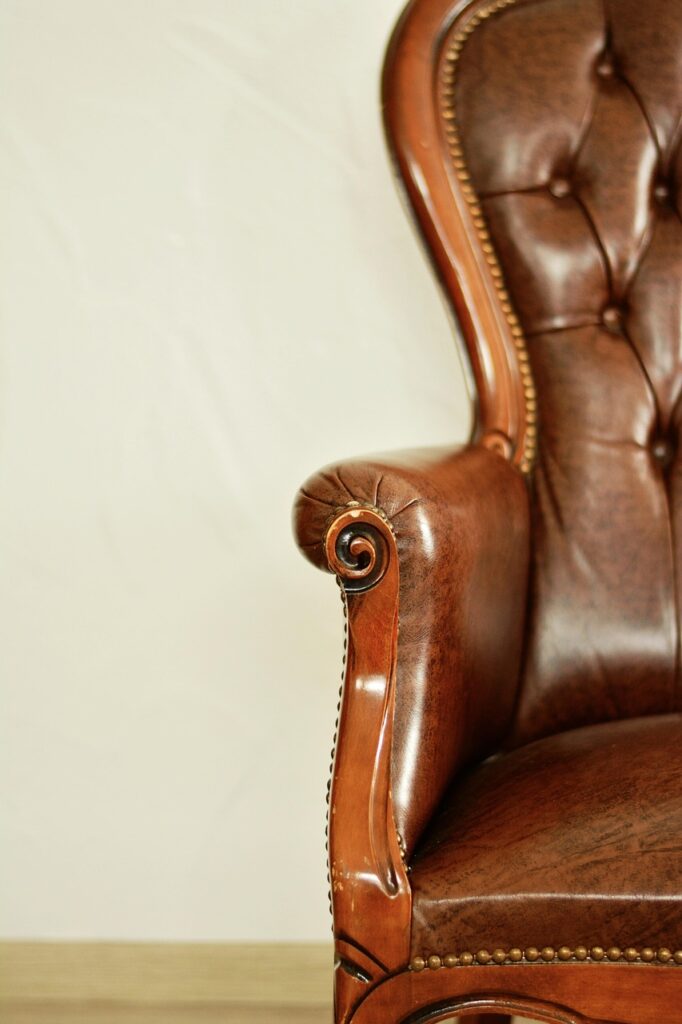
Leather furniture picks up dust, body oils, and light grime over time, especially on armrests and seat cushions. Commercial leather cleaners are often marketed as the default solution.
Leather furniture can often be cleaned with simple household items you might already own. Soap, water, vinegar, and a few other pantry staples can handle most everyday grime without requiring a trip to the store. That said, leather is a natural material that can dry out, crack, or discolor if treated too harshly, so the approach matters.
This guide walks you through several methods for cleaning leather furniture using what you likely have at home. Each method works a bit differently depending on what you’re dealing with—light dust, sticky residue, or general surface dirt. We’ll also cover what to avoid and how to keep your leather in good shape after cleaning.
Clean Leather Furniture with Mild Soap and Water
This is a straightforward option and works well for routine maintenance. It’s gentle, effective, and doesn’t require any special ingredients—just a bowl, some soap, and water.
Mix a few drops of mild liquid soap—like dish soap or castile soap—into a bowl of warm water. You want barely-there suds, not a bubble bath. Dip a soft cloth into the solution, wring it out until it’s just damp, and wipe down the leather in small sections.
The key here is moisture control. Leather doesn’t like sitting water, so your cloth should never be wet enough to leave drips or puddles. Work in gentle circular motions, then follow up immediately with a dry microfiber cloth to remove any soap residue.
This method handles fingerprints, light dirt, and everyday surface grime without being aggressive. It’s gentle enough for most finished leather types—the kind with a protective top coat that gives it a smooth, slightly shiny appearance.
How to Clean Leather Furniture with Vinegar
White vinegar is mildly acidic, which helps break down oils and sticky residue that plain water can’t touch. It’s particularly useful for those stubborn spots where you can see a clear mark but wiping with water alone doesn’t do much.
Mix equal parts white vinegar and water in a small bowl. Dampen a cloth with the solution, wring it out well, and gently dab or wipe the problem area. Don’t scrub hard—let the vinegar do the work. Once the spot lifts, wipe the area again with a clean, damp cloth (just water this time) to rinse away the vinegar, then dry thoroughly.
Vinegar can be particularly helpful if your leather has picked up greasy marks from hands or food. The smell dissipates quickly as it dries, usually within a few minutes.
One note: test this in a hidden spot first, like the back corner of a cushion. Some leathers react to acidic solutions by darkening slightly, especially if they’re not fully sealed. A quick patch test tells you whether it’s safe to proceed.
Cleaning Leather Furniture with Olive Oil
Olive oil isn’t just for cooking—it can clean and moisturize leather at the same time. This makes it a solid choice when your furniture looks a bit tired or feels stiff to the touch.
Put a small amount of olive oil on a soft cloth and rub it gently into the leather using circular motions. The oil loosens dirt while also penetrating the surface to help maintain flexibility. You’ll notice the leather starts to look a bit richer and more supple as you work.
After you’ve covered the furniture, let the oil sit for about 10 minutes. Then take a clean, dry cloth and buff away any excess. You don’t want a greasy shine—just a subtle, natural luster.
This method works particularly well on older leather that’s starting to look dull or slightly parched. It’s not ideal for brand-new leather or pieces with a high-gloss finish, where the oil might sit on the surface rather than absorb.
Can You Clean Leather Furniture with Baking Soda?
Baking soda is useful when you’re dealing with odors or stains that need a bit more lift. It’s a common pantry item that works through absorption rather than scrubbing, which makes it safer for delicate surfaces like leather.
Sprinkle a light layer of baking soda directly onto the problem area. Let it sit for a few hours—or overnight if the smell is stubborn—then vacuum it up with a brush attachment. The baking soda absorbs oils and odors without adding moisture to the leather.
For visible stains, you can make a paste by mixing baking soda with a tiny bit of water. Apply the paste to the stain, let it sit for a minute or two, then gently wipe it away with a damp cloth. Dry the area immediately afterward.
This approach is particularly handy for couches or chairs that smell a bit musty or have absorbed cooking odors over time. Just don’t leave the baking soda on too long in one spot, as it can be mildly abrasive if rubbed in too hard.
Clean Leather Furniture with Baby Wipes
Baby wipes are convenient for quick cleans, especially if you don’t want to mix anything or deal with wet cloths. They’re pre-moistened, portable, and surprisingly effective for light surface dirt.
Choose unscented, alcohol-free wipes—the kind designed for sensitive skin. Gently wipe down the leather surface, then follow up with a dry cloth to remove any leftover moisture or residue.
This method isn’t deep-cleaning, but it’s great for wiping down armrests after a long day or refreshing a leather chair before guests arrive. The wipes contain just enough moisture and mild surfactants to lift surface grime without soaking the material.
Keep in mind that some baby wipes contain lotions or oils that can leave a slight film, so always do a quick buff with a dry cloth afterward.
How to Remove Ink from Leather Furniture
Ink marks and certain tough stains respond well to rubbing alcohol, which breaks down pigments without soaking the leather. This is one of those situations where you need a solvent rather than soap or water.
Dampen a cotton ball or soft cloth with rubbing alcohol and gently dab the stain. Don’t rub—this can spread the ink or push it deeper. Keep dabbing with a clean section of the cloth until the stain lifts.
Once the mark is gone, wipe the area with a damp cloth (plain water) to remove any alcohol residue, then dry it thoroughly. Rubbing alcohol evaporates quickly, which is helpful, but it can also be drying if used repeatedly in the same spot.
This method is best used sparingly and only on small, specific problem areas—not as an all-over cleaning solution.
Removing Grease Stains from Leather Furniture
Oil and grease stains need absorption rather than wiping, which is where powders come in. Trying to scrub grease usually just spreads it around or pushes it deeper into the leather.
Sprinkle cornstarch or talcum powder generously over the stain and let it sit for at least four hours, or overnight if possible. The powder pulls the oil out of the leather as it sits. Afterward, brush or vacuum away the powder and check the stain. If it’s lighter but still visible, repeat the process.
This works because the powder acts like a sponge—it draws the oil up and away from the leather fibers without adding any liquid that could cause water damage or spreading.
It’s a slow method, but it’s one of the safer ways to handle greasy marks without using harsh chemicals.
What to Avoid When Cleaning Leather Furniture
Not all household products are safe for leather, even if they seem gentle. Some common cleaning products can cause more harm than the dirt you’re trying to remove.
Skip anything with bleach, ammonia, or harsh detergents. These can strip the protective finish, cause discoloration, or dry out the leather to the point of cracking. Avoid using too much water—soaking leather or leaving it damp can cause warping, stiffness, or mold growth.
Also, be cautious with colored cloths or sponges, especially when using vinegar or alcohol. Dye transfer is a real issue, and you don’t want to end up with blue streaks on a tan couch.
And while some people suggest using lemon juice, it’s more acidic than vinegar and can lighten leather over time, so it’s not something we’d recommend for regular use.
Keeping Leather Furniture Clean Between Deep Cleans
Regular maintenance reduces the need for intensive cleaning sessions. A little consistent care goes a long way toward keeping your leather looking good without having to break out the cleaning supplies every week.
Dust your leather furniture weekly with a dry microfiber cloth. This prevents dirt from settling into the grain and forming a film. Vacuum crevices and seams with a soft brush attachment to catch crumbs or pet hair before they work their way into the material.
If you notice a spill, blot it immediately with a dry cloth—don’t wipe or rub. The faster you address moisture, the less likely it is to leave a mark.
Consider conditioning your leather every six to twelve months, even if you’re not using commercial products. A light application of olive oil or a homemade mixture of vinegar and oil can help keep the material supple and may reduce the kind of dryness that can lead to cracking over time.
Place your furniture away from direct sunlight and heat sources when possible. UV rays and dry heat can fade and harden leather over time, making it more prone to damage.