How to Clean Your Stovetop with Dish Soap and Baking Soda
Your stovetop sees daily use, collecting grease, food spills, and burnt-on residue that can make cooking less enjoyable. Learning how to clean stovetop with dish soap and baking soda offers an effective, natural solution that doesn’t require harsh chemicals or expensive cleaners. This simple method works on most stovetop surfaces and uses ingredients you likely already have in your kitchen.
Why Dish Soap and Baking Soda Work So Well
The combination of dish soap and baking soda creates a powerful cleaning duo. Dish soap cuts through grease and oil while baking soda acts as a gentle abrasive that lifts stubborn stains without scratching surfaces. Together, they tackle both fresh spills and built-up grime effectively.
Baking soda’s alkaline nature helps neutralize acidic food stains, while dish soap’s surfactants break down fatty residues. This makes the mixture particularly effective for kitchen cleaning tasks.
Essential Supplies You’ll Need
Before you start, gather these common household items:
- Baking soda (about 1/4 cup)
- Liquid dish soap (2-3 tablespoons)
- Warm water
- Soft-bristled brush or old toothbrush
- Microfiber cloths or paper towels
- Plastic scraper (optional, for stubborn residue)
Step-by-Step Instructions to Clean Stovetop with Dish Soap and Baking Soda
Step 1: Remove Burner Grates and Drip Pans
Start by removing any removable parts from your stovetop. Take off burner grates, drip pans, and coil elements if you have an electric stove. This allows you to clean both the parts and the stovetop surface thoroughly.
Step 2: Create Your Cleaning Paste
Mix baking soda with a small amount of dish soap to form a thick paste. The consistency should be similar to toothpaste – thick enough to stick to surfaces but not so thick it won’t spread. Add warm water gradually if needed.
Step 3: Apply and Let It Work
Spread the paste across your stovetop surface, focusing on areas with visible stains or grease buildup. Let the mixture sit for 15-20 minutes to allow the ingredients to break down stubborn residue. This waiting period is crucial for effective cleaning.
Step 4: Scrub Gently
Using a soft-bristled brush or cloth, gently scrub the surface in circular motions. The baking soda provides gentle abrasion while the dish soap continues to break down grease. Avoid using steel wool or abrasive pads that could scratch your stovetop.
Step 5: Wipe Clean
Remove the paste with a damp microfiber cloth, rinsing frequently in clean water. Dry the surface completely with a clean towel to prevent water spots and streaks.
How to Clean Your Stovetop Naturally for Different Surface Types
Glass-Top Stoves
Glass stovetops require extra care to avoid scratches. When you clean grease off stovetop with dish soap, use only soft cloths and avoid abrasive materials. The baking soda paste works well here, but scrub very gently.
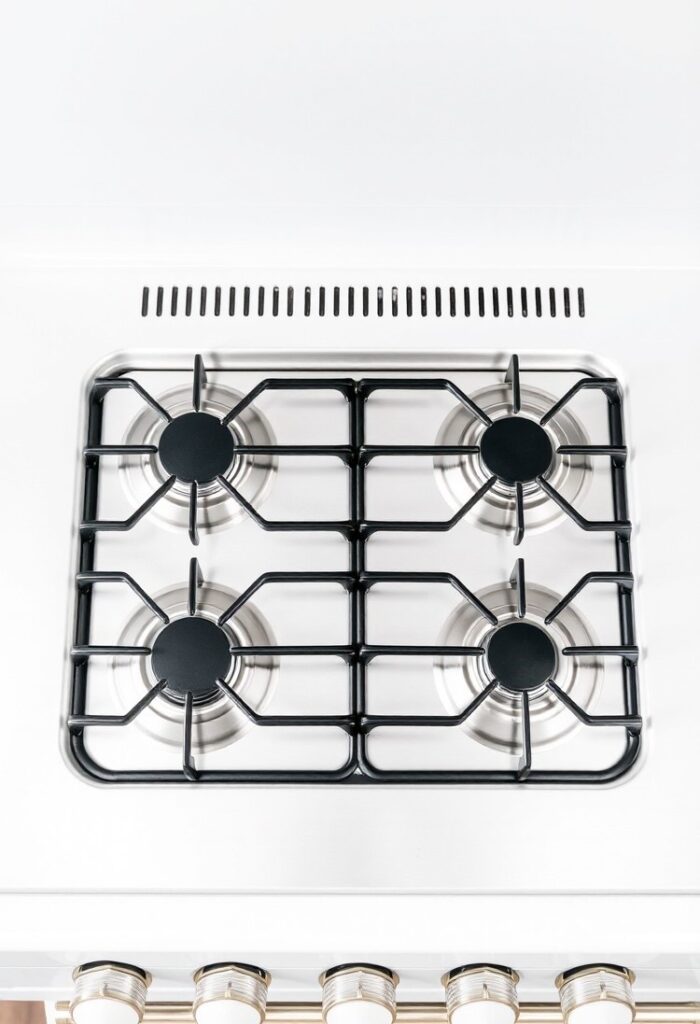
Gas Stovetops
Gas burners benefit from this cleaning method because you can remove most components for thorough cleaning. Clean gas stovetop with baking soda and soap by applying the paste to burner grates and letting them soak in the sink while you clean the main surface.
Electric Coil Stoves
Electric coil stoves often have removable drip pans that can be soaked in soapy water. The coils themselves should only be wiped down when completely cool and disconnected.
Tackling Stubborn Stains and Burnt-On Residue
For particularly challenging stains, you may need to know how to remove burnt-on stains from stovetop effectively. Create a stronger paste by using less water, and let it sit longer – up to 30 minutes. You can also:
- Use a plastic scraper to gently lift burnt-on food before applying the paste
- Apply the paste multiple times for heavily soiled areas
- Heat the stovetop slightly (just warm, not hot) to help the cleaning mixture work more effectively
Creating a Homemade Cleaner for Stovetop Grime
Beyond the basic paste, you can create a homemade cleaner for stovetop grime by mixing:
- 1/2 cup baking soda
- 1/4 cup dish soap
- 2 tablespoons white vinegar
- 1 cup warm water
This liquid version works well for regular maintenance cleaning and can be stored in a spray bottle for convenient use.
Maintenance Tips to Keep Your Stovetop Clean
Regular cleaning prevents buildup and makes deep cleaning easier. Wipe spills immediately when they occur, and give your stovetop a quick clean with the dish soap and baking soda method once a week.
Consider covering pots and pans while cooking to reduce splatter, and use appropriate cookware sizes to prevent spills from reaching the stovetop surface.
Safety Considerations
Always ensure your stovetop is completely cool before cleaning. Disconnect electric elements and turn off gas valves when possible. Never use the cleaning paste on hot surfaces, as this can cause burns or damage.
Avoid getting cleaning solutions in gas burner ports or electrical connections. If cleaning solution does get into these areas, ensure everything is completely dry before reconnecting or using the stove.
Conclusion
Learning to clean stovetop with dish soap and baking soda provides an effective, economical solution for maintaining your kitchen. This natural cleaning method removes grease, stains, and burnt-on residue without harsh chemicals, making it safe for regular use. With consistent application, this technique can help keep your stovetop clean and in good working condition over time.
Questions & Answers
Can I use this method on all types of stovetops?
Yes, the dish soap and baking soda method works on glass, gas, and electric stovetops. However, be gentler with glass surfaces and avoid abrasive scrubbing that could cause scratches.
How often should I deep clean my stovetop?
Deep clean your stovetop with this method once a week for regular cooking households, or more frequently if you cook often or notice buildup occurring faster.
Is it safe to use baking soda on glass stovetops?
Baking soda is safe for glass stovetops when used properly. Create a paste rather than using dry baking soda, and scrub gently with soft cloths to avoid scratching the surface.
What if the burnt-on stains won’t come off?
For stubborn stains, let the paste sit longer (up to 30 minutes), apply it multiple times, or use a plastic scraper to gently lift the residue before cleaning.
Can I substitute other ingredients for dish soap?
While dish soap works best due to its grease-cutting properties, you can substitute with castile soap or a small amount of laundry detergent mixed with water.
Should I remove all stovetop parts before cleaning?
Remove all removable parts like burner grates, drip pans, and coil elements. This allows thorough cleaning of both the parts and the stovetop surface underneath.
How do I prevent future stains and buildup?
Wipe spills immediately, use splatter screens while cooking, clean regularly with the dish soap and baking soda method, and ensure proper cookware sizing to minimize spills.