11 Garden Flower Color Palette Ideas To Refresh Your Space
Creating beautiful garden flower color palettes transforms any outdoor space into a visually appealing and cohesive environment. Whether you’re planning a complete garden makeover or simply want to add fresh elements to your existing landscape, choosing the right color combinations makes all the difference. These garden flower color palettes can help you design a space that reflects your style while ensuring your flowers complement each other beautifully throughout the growing season.
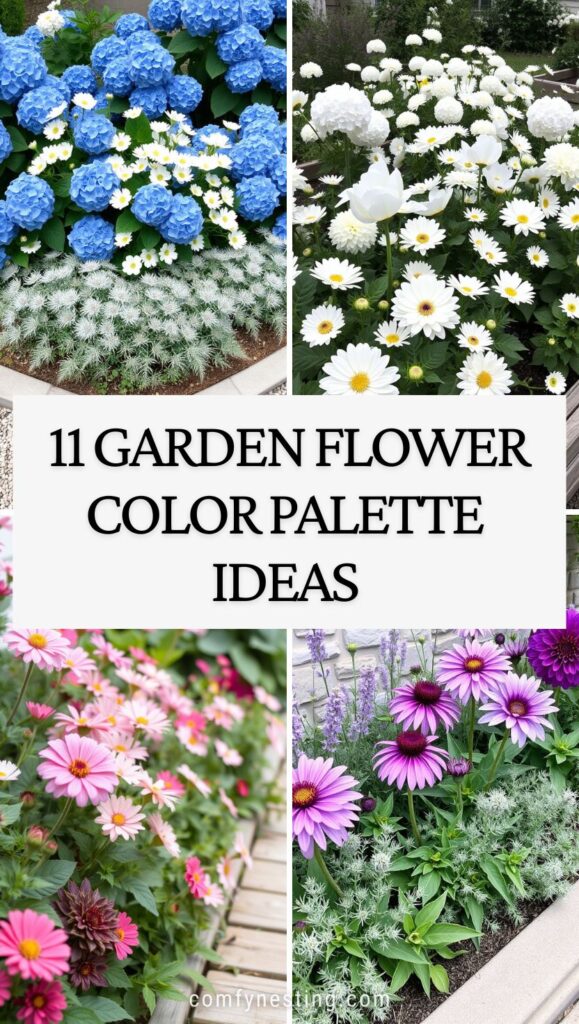
1. Classic Red, White, and Blue Palette
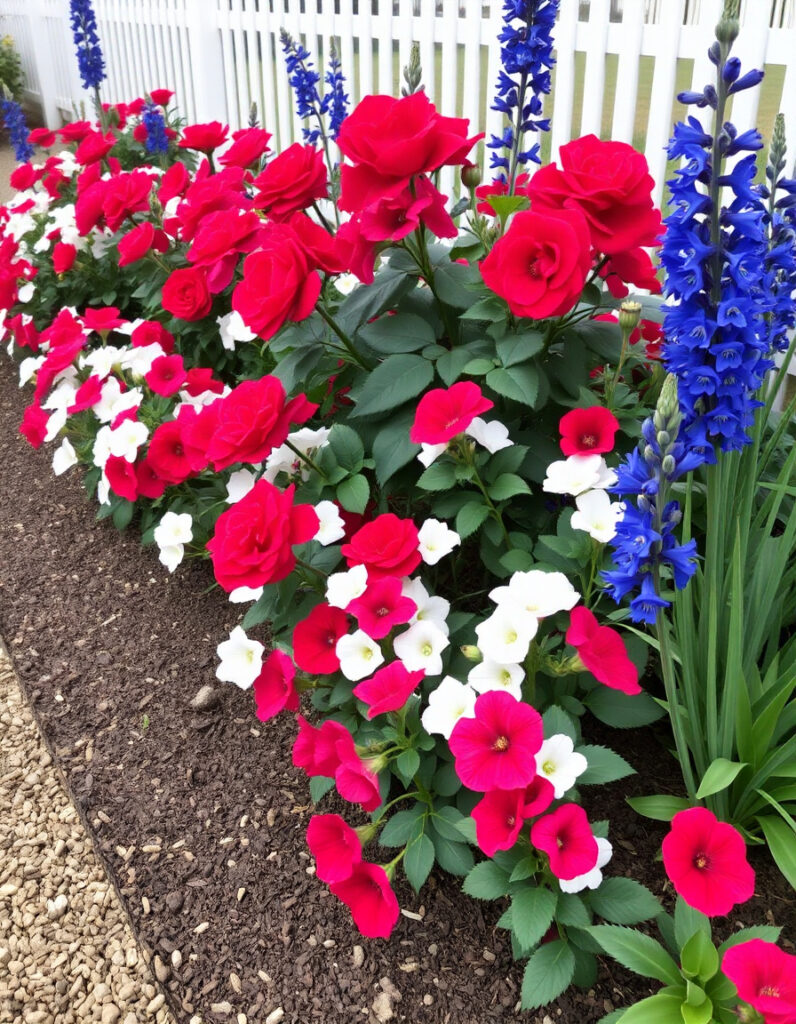
This patriotic combination works exceptionally well for summer gardens and creates a bold, striking display. Red roses, white petunias, and blue delphiniums form the foundation of this traditional color scheme.
Key flowers to include:
- Red: Roses, geraniums, salvia, cardinal flower
- White: Petunias, alyssum, white roses, baby’s breath
- Blue: Delphiniums, lobelia, cornflowers, ageratum
This palette works best when you plant flowers in distinct groupings rather than mixing them randomly. The contrast between these colors creates visual impact and draws attention to specific garden areas.
2. Soft Pastel Garden Color Scheme
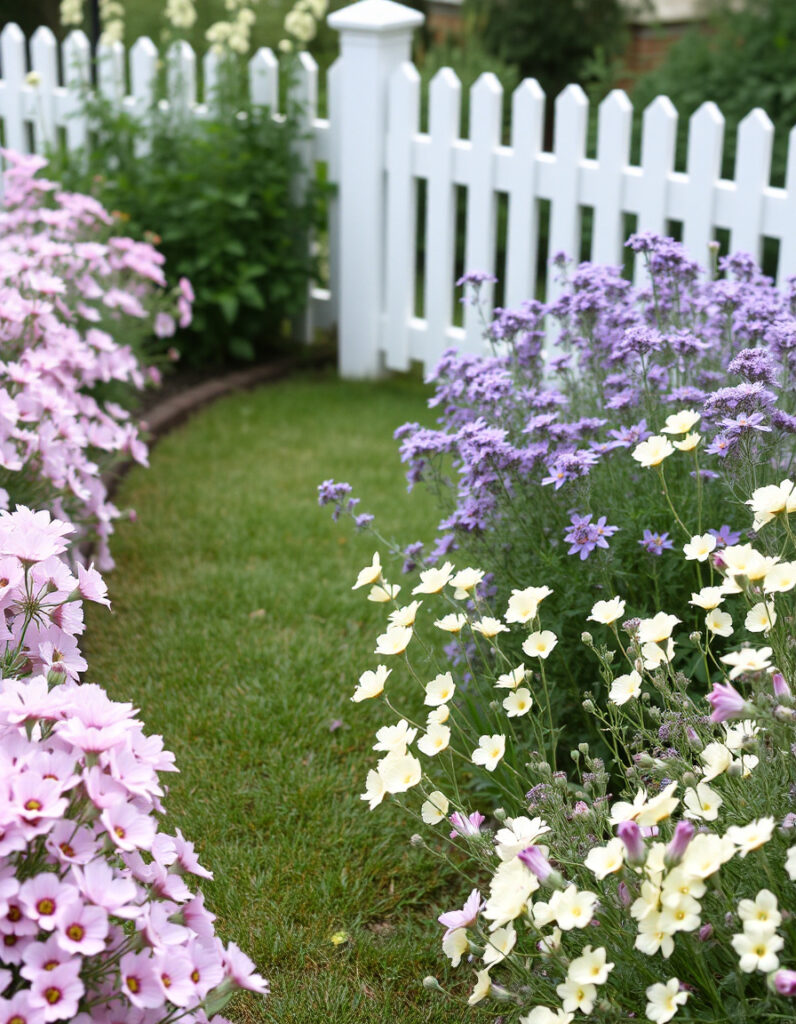
Pastel garden flower color palettes create a gentle, soothing atmosphere that works well in cottage-style gardens and smaller spaces. This combination includes soft pinks, lavender, pale yellow, and cream.
Recommended flower varieties:
- Pink: Cosmos, sweet peas, pink roses, astilbe
- Lavender: Lavender plants, catmint, salvia, verbena
- Yellow: Pale yellow marigolds, primrose, coreopsis
- Cream: White roses, alyssum, snapdragons
Plant these flowers in curved borders and allow them to naturally blend together for a soft, flowing appearance.
3. Vibrant Sunset Colors
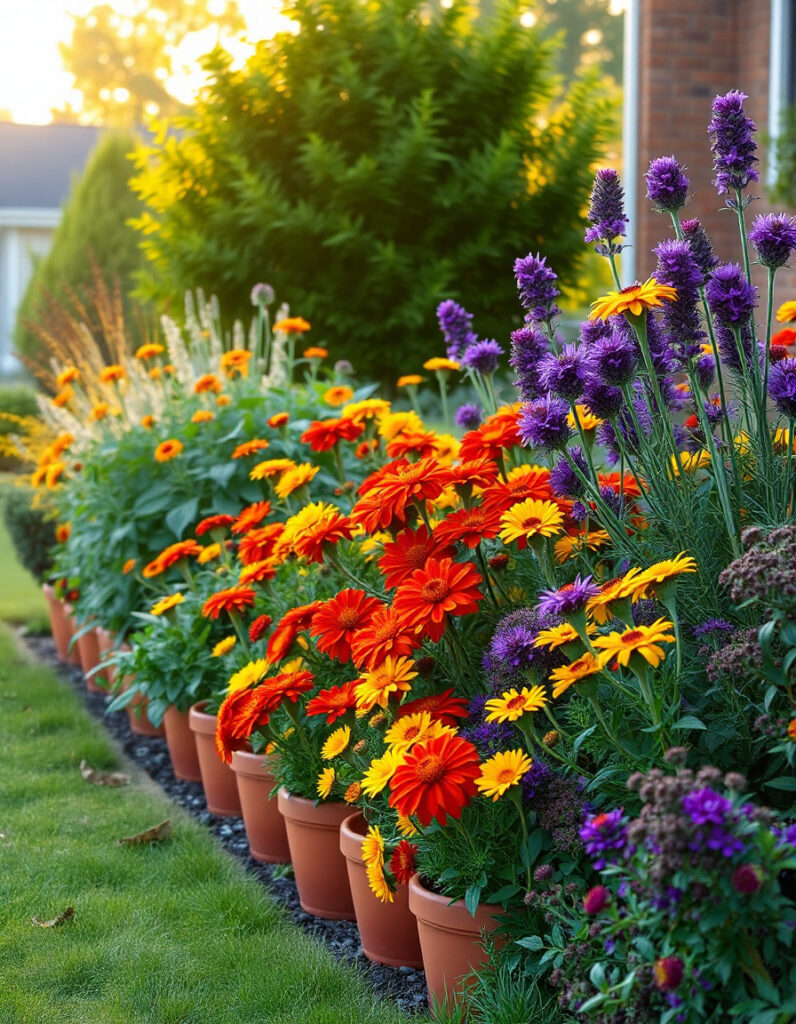
Inspired by golden hour skies, this warm palette combines orange, red, and yellow flowers with touches of deep purple for contrast. These colors create warmth and make your garden feel inviting during cooler months.
Top flower choices:
- Orange: Marigolds, calendula, nasturtiums, tiger lilies
- Red: Zinnias, celosia, red dahlias, cardinal flower
- Yellow: Sunflowers, rudbeckia, yellow dahlias, coreopsis
- Purple: Purple asters, verbena, salvia
This combination works particularly well in autumn gardens and complements the changing foliage colors.
4. Monochromatic Purple Scheme
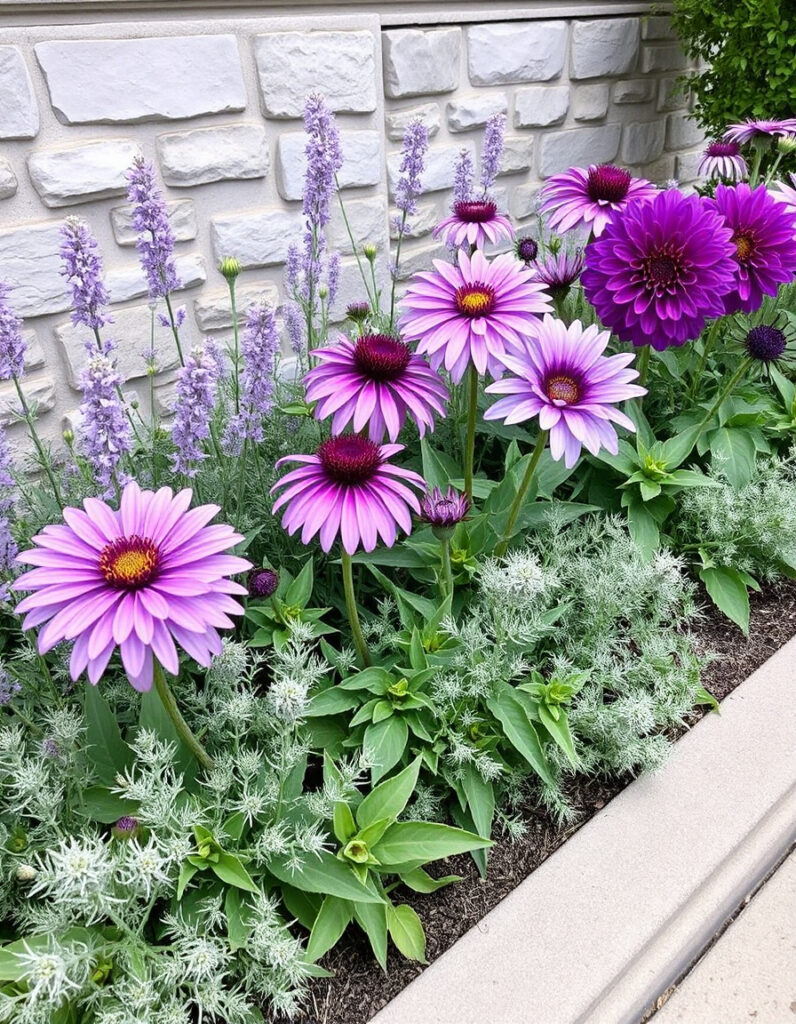
A single-color garden flower color palette using various shades of purple creates sophistication and unity. This approach uses light lavender through deep violet to create depth and interest.
Purple flower options:
- Light purple: Lavender, catmint, light purple petunias
- Medium purple: Purple coneflowers, salvia, verbena
- Deep purple: Purple pansies, deep purple petunias, purple dahlias
Add silver-leafed plants like dusty miller or lamb’s ear to enhance the purple tones and provide textural contrast.
5. Cool Blue and White Combination
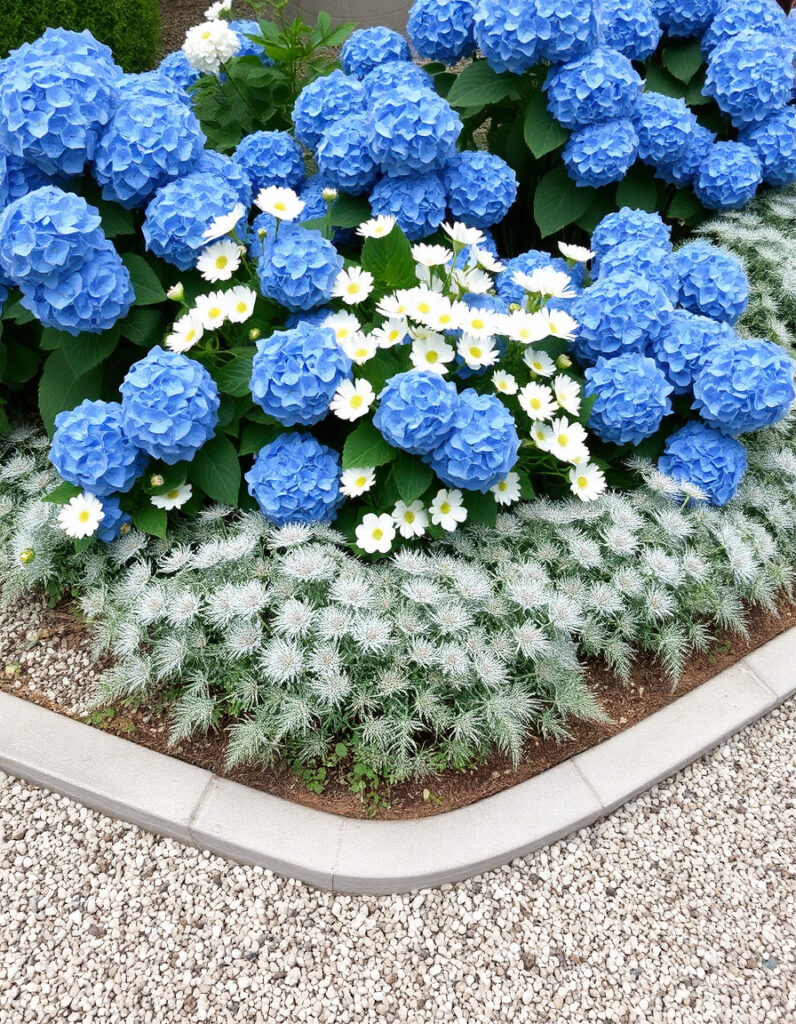
This refreshing palette works exceptionally well in hot climates and creates a cooling visual effect. The combination of various blue tones with crisp white flowers provides a clean, fresh appearance.
Flower selections:
- Blue: Delphiniums, cornflowers, blue hydrangeas, bachelor buttons
- White: White roses, alyssum, white petunias, white cosmos
- Silver accents: Dusty miller, artemisia, lamb’s ear
6. Bright and Bold Primary Colors
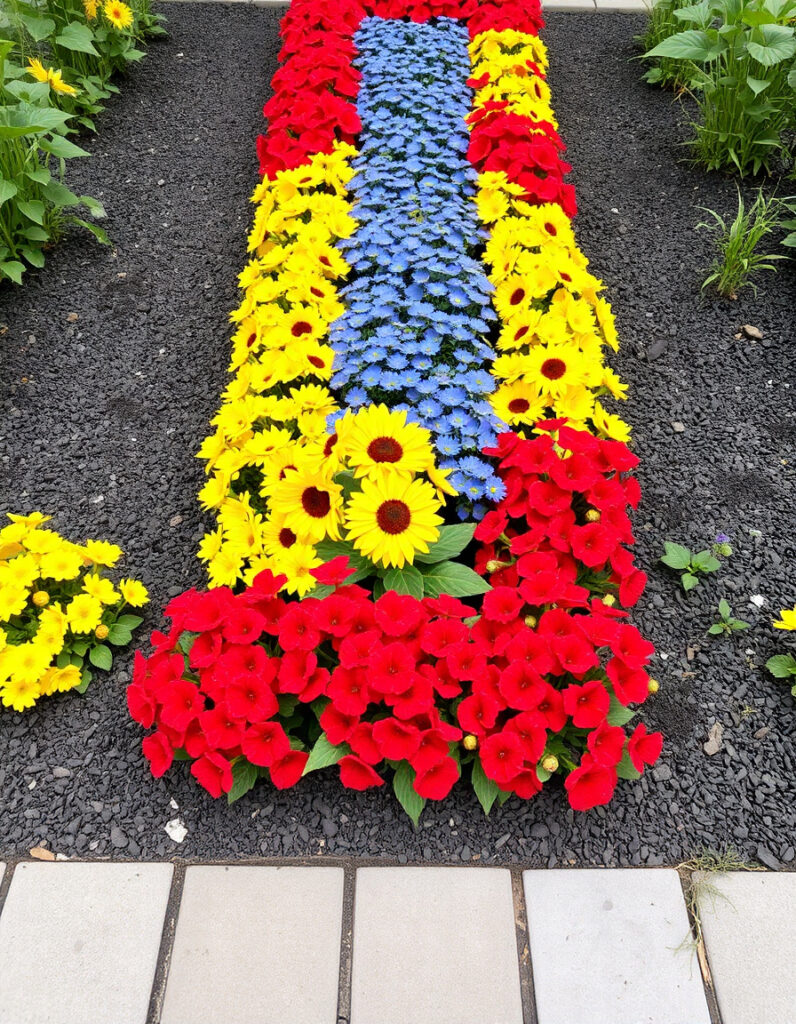
For those who prefer vibrant, eye-catching displays, this palette combines pure red, bright yellow, and true blue flowers. This combination creates maximum visual impact and works well in modern garden designs.
Bold flower choices:
- Red: Red geraniums, red zinnias, red marigolds
- Yellow: Yellow marigolds, sunflowers, yellow zinnias
- Blue: Blue salvia, cornflowers, blue petunias
Keep plantings simple and use each color in substantial groupings for the strongest effect.
7. Warm Earth Tones Palette
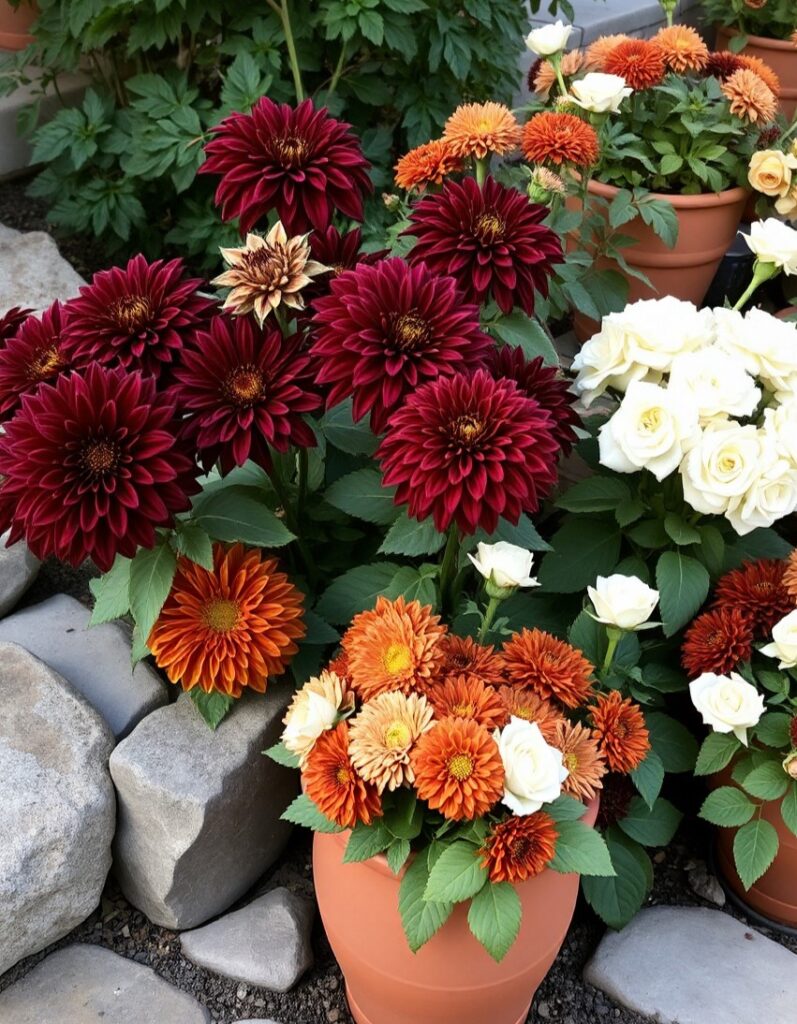
This sophisticated combination uses burgundy, rust, bronze, and cream colors that mirror autumn foliage and create a grounded, natural feeling.
Earth-toned flowers:
- Burgundy: Burgundy dahlias, deep red roses, burgundy petunias
- Rust: Orange marigolds, rust-colored chrysanthemums, nasturtiums
- Bronze: Bronze marigolds, bronze chrysanthemums, rudbeckia
- Cream: Cream roses, pale yellow marigolds, white cosmos
This palette works well with natural materials like stone, wood, and terracotta containers.
8. Pink and Green Foliage Combination
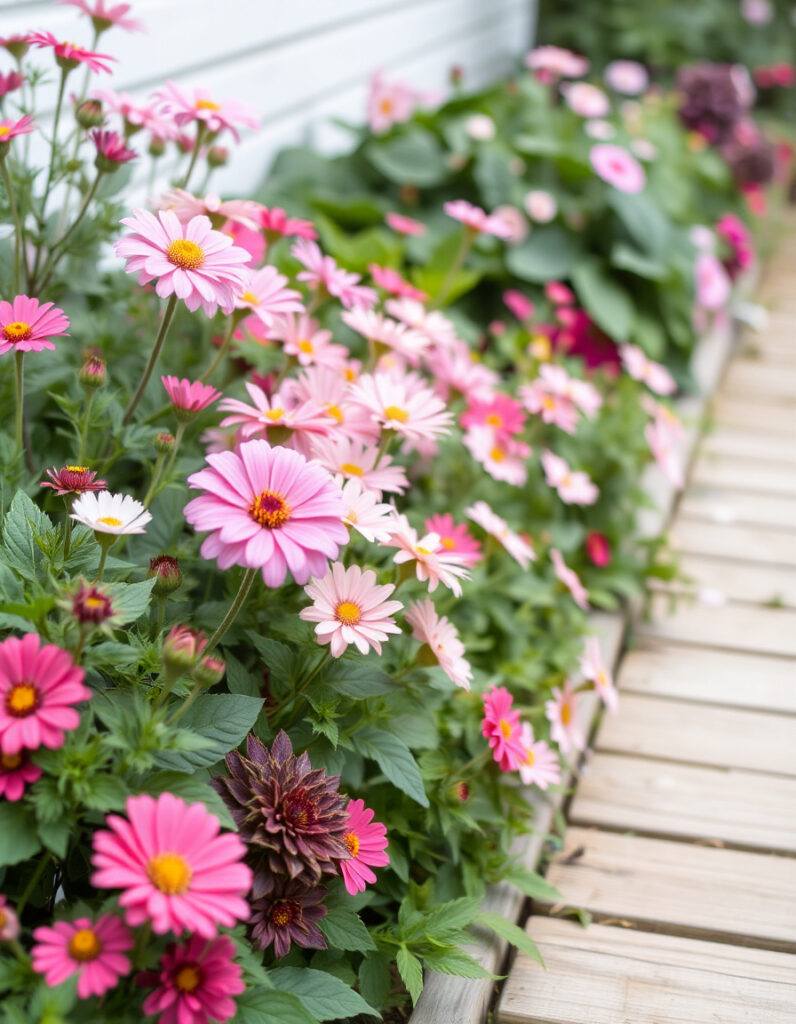
This feminine yet sophisticated palette relies heavily on various shades of pink flowers combined with plants that have interesting green foliage patterns.
Pink flower varieties:
- Light pink: Pink cosmos, light pink roses, pink sweet peas
- Medium pink: Pink geraniums, pink petunias, pink dahlias
- Dark pink: Hot pink petunias, pink zinnias, pink salvia
Complementary foliage:
- Hostas, ferns, coleus, caladiums with green and white patterns
9. Yellow and Purple Contrast Scheme
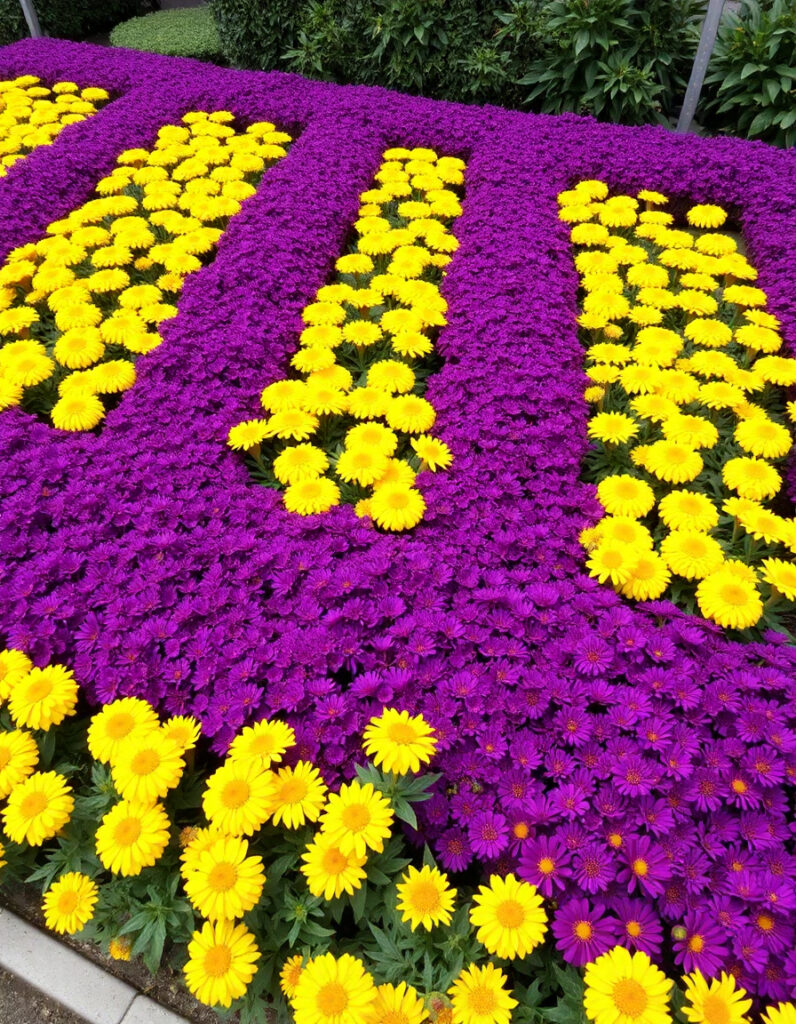
This complementary color combination creates striking visual contrast and works well in both formal and informal garden settings. The contrast between warm yellow and cool purple creates natural balance.
Flower combinations:
- Yellow: Yellow marigolds, rudbeckia, coreopsis, yellow cosmos
- Purple: Purple asters, salvia, verbena, purple petunias
Plant these colors in alternating groups or create a checkerboard pattern for maximum impact.
10. All-White Elegant Garden
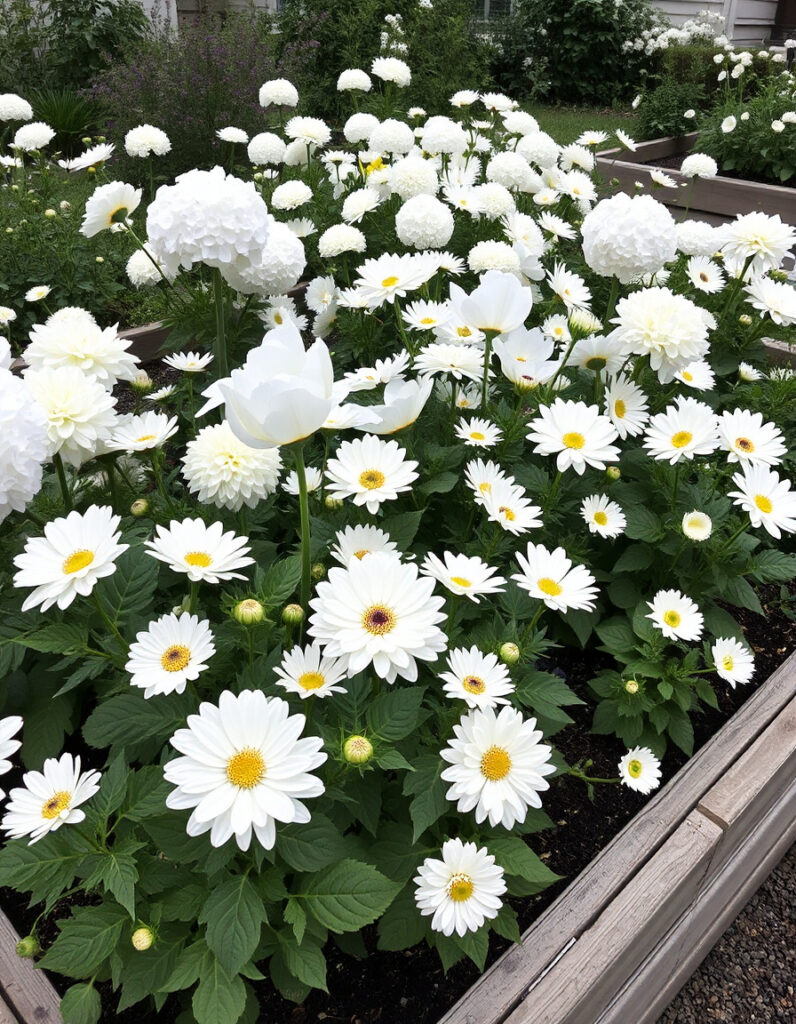
An all-white garden flower color palette creates elegance and sophistication while providing a luminous effect in evening gardens. This approach works particularly well in formal garden designs.
White flower options:
- White roses, white petunias, white cosmos, white zinnias
- White dahlias, white marigolds, white impatiens, alyssum
- White hydrangeas, white peonies, white lilies
Add plants with silver or gray foliage to enhance the white flowers and create textural interest.
11. Mixed Jewel Tones
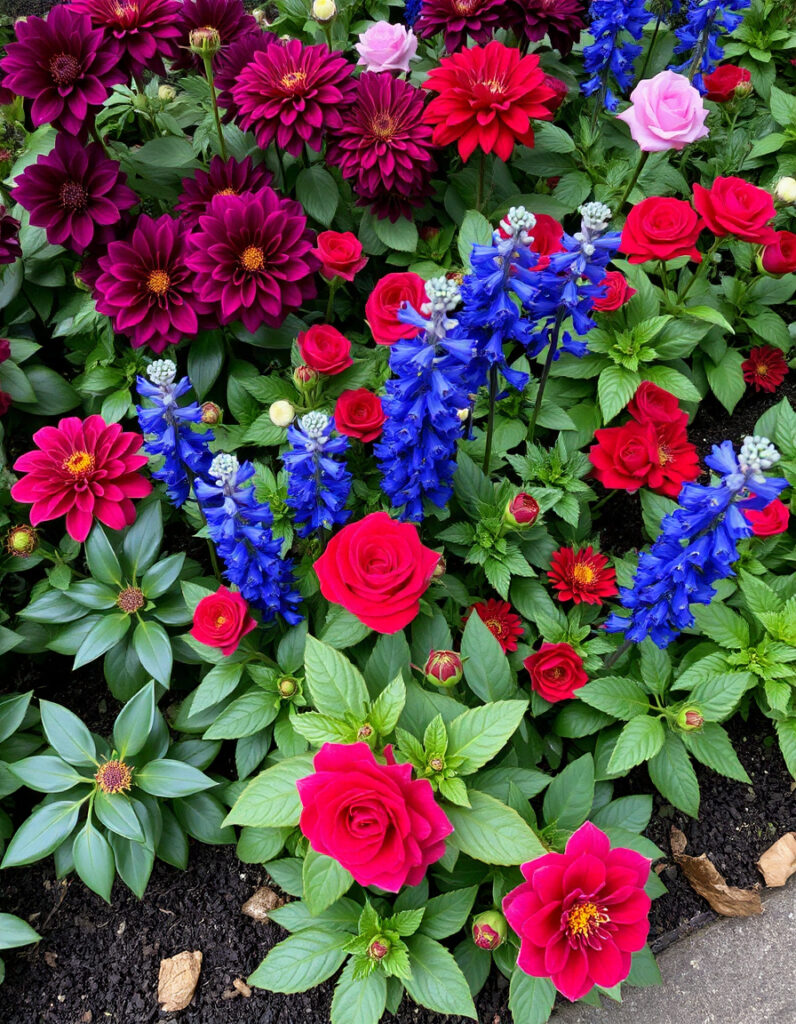
This rich palette combines deep, saturated colors that resemble precious gems. The combination includes deep purple, emerald green foliage, ruby red, and sapphire blue.
Jewel-toned selections:
- Deep purple: Purple dahlias, deep purple petunias, purple salvia
- Ruby red: Deep red roses, red dahlias, cardinal flower
- Sapphire blue: Deep blue delphiniums, blue salvia, cornflowers
- Emerald accents: Rich green foliage plants, green coleus
Planning Your Color Palette Implementation
When implementing your chosen garden flower color palettes, consider these practical factors:
Seasonal timing plays a crucial role in color palette success. Plan your plantings so colors peak at the same time, and consider succession planting for extended color periods.
Garden size affects color impact. Smaller gardens benefit from simpler color schemes with fewer colors, while larger spaces can accommodate more complex palettes.
Existing elements in your garden, including fences, structures, and permanent plantings, should complement your chosen color scheme.
Maintenance requirements vary by flower type. Group plants with similar water and care needs together for easier maintenance.
Tips for Successful Color Palette Execution
Start small when experimenting with new color combinations. Test your chosen palette in a small area before expanding to larger garden sections.
Use the 60-30-10 rule for balanced color distribution: 60% dominant color, 30% secondary color, and 10% accent color.
Consider bloom times to ensure your color palette remains consistent throughout the growing season. Research each flower’s blooming period and plan accordingly.
Add neutral elements like green foliage, white flowers, or gray-leafed plants to prevent color combinations from becoming overwhelming.
Plan for year-round interest by including plants that provide color through foliage, berries, or interesting bark during non-blooming seasons.
Maintenance and Care for Colorful Gardens
Successful garden flower color palettes require consistent care and attention. Regular deadheading keeps flowers blooming longer and maintains the visual impact of your color scheme.
Fertilization schedules should accommodate the needs of all plants in your color palette. Use balanced fertilizers for mixed plantings and specific fertilizers for plants with particular needs.
Watering requirements may vary among different flowers in your palette. Group plants with similar water needs together when possible, or use drip irrigation systems for consistent moisture levels.
Pest and disease management becomes simpler when you choose flowers suited to your local climate and growing conditions. Research common issues for your chosen flowers and plan preventive measures.
Questions & Answers
How do I choose the best garden flower color palette for my space?
Consider your home’s exterior colors, existing landscape elements, and personal preferences. Cool colors like blues and purples work well in hot climates, while warm colors like reds and oranges suit cooler regions. Also consider the size of your garden – smaller spaces benefit from simpler color schemes with 2-3 colors maximum.
What flowers bloom all season long for consistent color?
Annual flowers that provide season-long color include petunias, marigolds, impatiens, begonias, and zinnias. For perennial options, consider salvia, coneflowers, and black-eyed Susans. Succession planting every 2-3 weeks ensures continuous blooms for annual varieties.
Can I mix different color palettes in one garden?
Yes, but use transition areas or physical barriers like pathways, hedges, or garden structures to separate different color schemes. This prevents the garden from looking chaotic while allowing you to enjoy multiple color combinations in different garden zones.
How many colors should I include in my garden flower color palette?
For beginners, start with 2-3 colors maximum. This creates cohesion without overwhelming the space. Experienced gardeners can successfully use 4-5 colors, but more than this typically creates visual confusion unless you have a very large garden space.
When is the best time to plan and plant my color palette?
Plan your color palette during winter months, then begin planting after the last frost date in your area. Cool-season flowers can be planted earlier, while warm-season varieties should wait until soil temperatures reach 60°F consistently. Research your specific flowers’ planting requirements for best results.
What are complementary colors and how do they work in gardens?
Complementary colors sit opposite each other on the color wheel – like purple and yellow, or red and green. These combinations create striking contrast and visual interest. Use complementary colors in equal proportions for bold effects, or use one as the dominant color with the other as an accent.
How do I maintain consistent color throughout the growing season?
Choose flowers with different bloom times within your color palette, practice succession planting, and include both annuals and perennials. Deadhead spent flowers regularly to encourage continued blooming, and have backup plants ready to fill gaps when certain flowers finish blooming.