Dust tends to settle on headboards over time, especially in areas with less airflow. A light cleaning routine can help keep bedroom furniture looking fresher. The approach you use depends on what material your headboard is made from.
Why Headboards Collect Dust Over Time
Headboards sit against walls where air circulation is often limited. Dust particles land on surfaces and sometimes get trapped in fabric or wood grain. Bedding and pillows also release small fibers that add to the buildup.
This happens more in rooms with carpeting or heavy curtains. Open windows can contribute to faster accumulation as well.
Gathering What You Might Need Before You Start Cleaning Your Dusty Headboard
A few simple tools can make the process easier. Microfiber cloths work well for most surfaces because they tend to trap dust rather than spread it. A handheld vacuum with a brush attachment helps lift particles from fabric or crevices.
You might also want a bowl of lukewarm water and a drop of mild dish soap. A soft-bristled brush can be useful for textured materials. Keep everything within reach before you begin.
Removing Loose Dust from a Fabric or Upholstered Headboard Surface
Start by using the brush attachment on your vacuum. Move it gently across the surface in overlapping passes. This helps lift dust without pressing it deeper into the fibers.
If you don’t have a vacuum handheld, a lint roller can pick up surface dust on smaller headboards. You can also use a slightly damp microfiber cloth, but avoid soaking the fabric. Pat the cloth lightly over the material to collect particles.
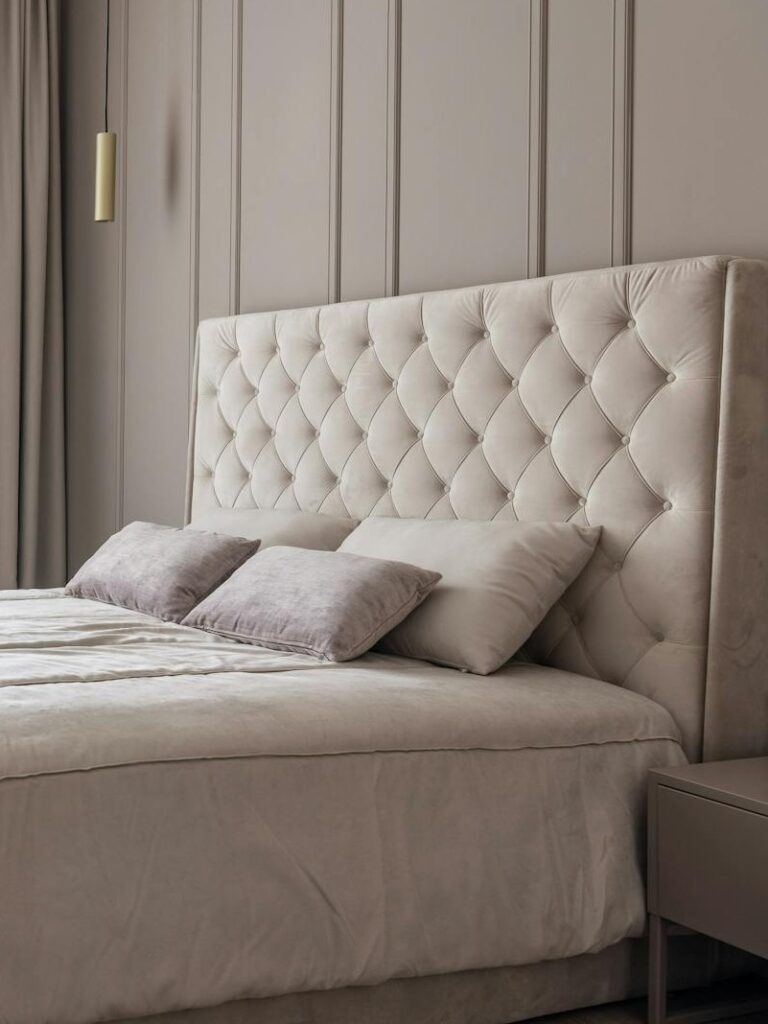
For tufted or buttoned headboards, work around each detail carefully. Dust sometimes hides in the seams between buttons.
Also read: How to Clean Dusty Baseboards
Cleaning a Wooden Headboard That Has Gathered Dust Over Time
Wipe the surface with a dry microfiber cloth first. This helps remove the top layer of dust without scratching the finish. Move in the direction of the wood grain when possible.
If the headboard has carved details or grooves, a dry soft-bristled brush helps reach those spots. You can follow up with a barely damp cloth if needed. Wring it out completely so no moisture sits on the wood.
Avoid using oils or polishes every time you dust. They can build up and attract more particles in the long run.
Addressing Dust Buildup on Metal or Leather Headboard Materials
Metal headboards usually need a simple wipe-down with a dry cloth. If there are scrollwork, a small brush can help dislodge dust from tight areas. You can use a slightly damp cloth for stubborn spots.
Leather headboards respond well to a dry microfiber cloth for regular dusting. If the surface feels sticky or dull, a cloth dampened with water and a tiny amount of mild soap can help. Wipe it off with a clean, barely damp cloth afterward.
Let both materials air dry completely before placing pillows back against them.
Also read: 12 Moves for Freshening Up Upholstered Chairs
Dealing with Dust That Has Settled into Cracks or Button Details on Your Headboard
Tufted headboards and decorative seams tend to trap dust in small spaces. A handheld vacuum with a narrow nozzle can work well for these areas. Hold the nozzle just above the surface and let the suction pull particles out.
You can also use a clean, dry paintbrush to gently sweep dust out of crevices. Tap the brush lightly to avoid spreading dust around the room. Compressed air in a can is another option, but use it sparingly and away from your face.
For deeper cleaning, a cotton swab can help reach tight spots. Keep it dry or barely damp depending on the material.
Freshening Up a Headboard After Removing Surface Dust and Debris
Once the dust is gone, some materials benefit from a light refresh. For fabric headboards, you can lightly mist the surface with a fabric refresher spray. Hold the bottle at least six inches away and apply a thin layer.
Wooden headboards can be wiped with a lightly damp cloth if the finish allows, then dried immediately with a clean towel. Leather can be treated with a small amount of conditioner if it looks dry, but this isn’t necessary every time you dust.
Let everything air out for a few minutes before remaking the bed.
Also read: 8 Things to Wipe While Waiting for Coffee
What to Avoid When Cleaning Dust from Bedroom Headboards
Excess water can damage many headboard materials. Fabric might develop water stains or mildew if it stays damp. Wood can warp or lose its finish when soaked.
Harsh cleaners or abrasive scrubbers can scratch surfaces or fade colors. Stick to gentle tools and mild solutions when something beyond dusting is needed.
Avoid rubbing dust into the material. Lift it away instead of pushing it deeper with heavy pressure.
How Often You Might Dust Your Headboard to Keep Buildup Manageable
A quick dusting every week or two helps prevent heavy accumulation. This usually takes just a few minutes with a dry cloth or vacuum attachment. Rooms with more dust sources might need attention more often.
If you notice visible dust or feel grit on the surface, it’s probably time to clean. Seasonal deep cleaning can address areas you miss during regular maintenance.
Keeping up with bedroom dusting in general tends to reduce how much settles on furniture.
Questions & Answers
How do you remove dust from an upholstered headboard without damaging the fabric?
Use a vacuum with a soft brush attachment to lift dust gently from the surface. Move slowly in overlapping passes to avoid missing spots. If the fabric allows, a barely damp microfiber cloth can pick up remaining particles without soaking the material.
How often should you dust your headboard to prevent excessive accumulation?
Most headboards benefit from a light dusting every one to two weeks. A quick wipe or vacuum pass usually keeps buildup from becoming noticeable.
Can you vacuum a dusty headboard without causing damage to the material?
Yes, as long as you use the appropriate attachment. Soft brush tools work well for fabric and wood. Keep the suction setting moderate to avoid pulling at delicate materials or finishes. Move the tool gently across the surface rather than pressing hard.
Final Thoughts on Keeping Your Headboard Clean and Fresh
Regular light dusting helps headboards stay clean without much effort. Simple tools like microfiber cloths and vacuum attachments handle most materials safely. Small adjustments to your bedroom cleaning routine can reduce how often deeper cleaning is needed.
Take a few minutes to check your headboard when you change bedding or tidy up. A little attention now and then helps maintain a fresher sleeping space overall.