How to Clean Grease Off Kitchen Cabinets
Kitchen cabinets accumulate layers of grease, food particles, and grime from daily cooking activities. Learning how to clean grease off kitchen cabinets effectively improves your kitchen’s appearance and helps maintain your cabinetry. This comprehensive guide provides practical methods and solutions to remove grease buildup from your cabinets.
Understanding Kitchen Cabinet Grease Buildup
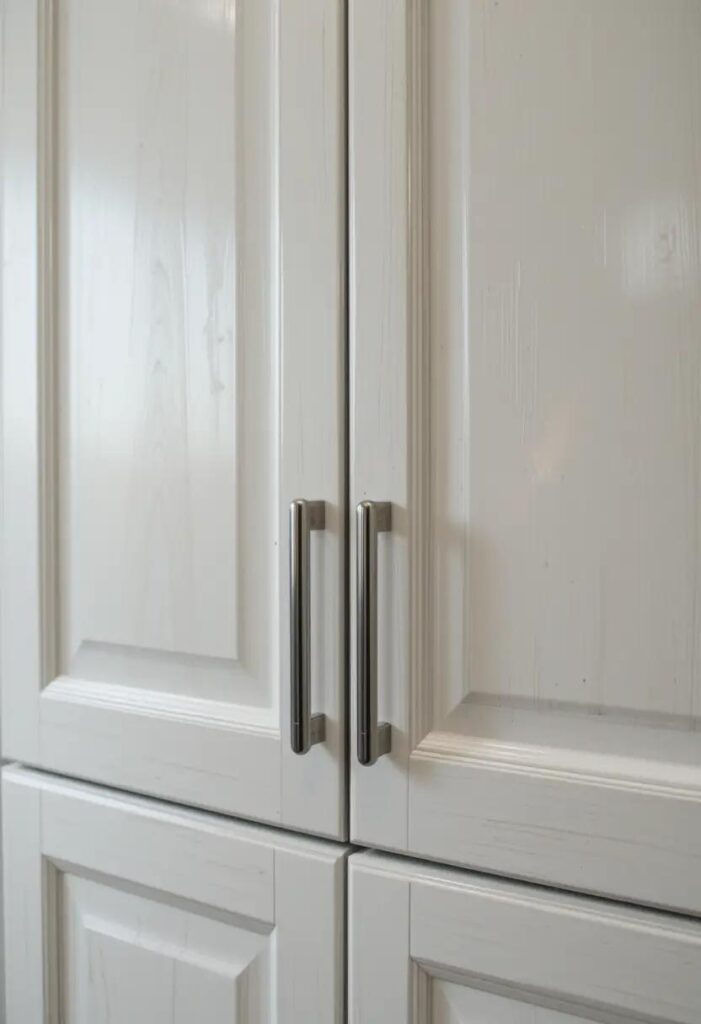
Grease accumulation on kitchen cabinets happens naturally through cooking activities. When you fry, sauté, or even boil water, microscopic grease particles become airborne and settle on nearby surfaces. Over time, these particles combine with dust, creating a stubborn film that requires specific cleaning approaches.
The type of cabinet finish determines your cleaning method. Wood cabinets require gentler treatment than painted or laminate surfaces. Always identify your cabinet material before beginning the cleaning process to avoid damage.
Essential Supplies for Degreasing Kitchen Cabinets
Before you begin, gather these necessary items:
- Dish soap (grease-cutting formula)
- White vinegar
- Baking soda
- Microfiber cloths
- Soft-bristled brush
- Warm water
- Spray bottles
- Rubber gloves
Having the right tools makes the process more efficient and prevents scratching or damaging your cabinet surfaces.
How to Remove Grease from Kitchen Cabinets: Step-by-Step Method
Step 1: Prepare Your Workspace
Remove all items from cabinet exteriors and protect countertops with towels. Open windows or turn on ventilation fans to ensure proper airflow during cleaning.
Step 2: Initial Dusting
Use a dry microfiber cloth to remove loose dust and debris. This prevents scratching when you apply wet cleaning solutions.
Step 3: Apply Degreasing Solution
Mix two tablespoons of dish soap with one quart of warm water. This gentle yet effective solution works on most cabinet finishes without causing damage.
Step 4: Clean in Sections
Work from top to bottom, cleaning one cabinet door at a time. Apply the solution with a microfiber cloth, working in circular motions to lift grease deposits.
Step 5: Rinse and Dry
Wipe each cleaned section with a damp cloth to remove soap residue, then immediately dry with a clean towel to prevent water spots.
Natural Degreaser for Kitchen Cabinets
For those preferring chemical-free solutions, several natural degreaser for kitchen cabinets options work effectively:
Vinegar Solution
Mix equal parts white vinegar and warm water in a spray bottle. The acidity in vinegar breaks down grease naturally while being safe for most cabinet finishes.
Baking Soda Paste
Create a paste using three parts baking soda to one part water. This gentle abrasive removes stubborn grease without scratching surfaces.
Lemon and Salt Scrub
Combine fresh lemon juice with coarse salt for a natural degreasing scrub that leaves cabinets fresh and clean.
How to Degrease Kitchen Cabinets with Stubborn Buildup
Heavy grease accumulation requires more intensive treatment. For persistent stains:
- Apply degreasing solution and let it sit for 10-15 minutes
- Use a soft-bristled brush to gently scrub problem areas
- Rinse thoroughly with clean water
- Repeat if necessary
Never use abrasive cleaners or steel wool, as these can permanently damage cabinet finishes.
How to Clean Grease Based on Cabinet Type
Wood Cabinets
Use mild dish soap solutions or specialized wood cleaners. Avoid excessive moisture and always dry immediately after cleaning.
Painted Cabinets
Most painted surfaces handle standard degreasers well. Test any new cleaner on an inconspicuous area first.
Laminate Cabinets
These durable surfaces can handle stronger cleaning solutions, making them easier to maintain.
Preventing Future Grease Buildup
Regular maintenance is key to keeping cabinets grease-free:
- Wipe down cabinets weekly with a damp cloth
- Use range hoods during cooking to minimize airborne grease
- Address spills immediately before they set
- Deep clean cabinets monthly to prevent heavy buildup
Conclusion
Knowing how to clean grease off kitchen cabinets transforms your kitchen’s appearance and maintains your investment. Whether you choose commercial cleaners or natural solutions, regular maintenance prevents heavy buildup and keeps your cabinets clean and well-maintained. With the right techniques and consistent care, your kitchen cabinets are more likely to stay in good condition for years to come.
Questions & Answers
How often should I clean grease off my kitchen cabinets?
Weekly light cleaning prevents heavy buildup, while monthly deep cleaning maintains cabinet condition. High-use kitchens may require more frequent attention.
Can I use bleach to clean greasy kitchen cabinets?
Avoid bleach on kitchen cabinets as it can damage finishes and discolor wood or painted surfaces. Stick to mild dish soap or specialized cabinet cleaners.
What should I avoid when cleaning kitchen cabinets?
Never use abrasive cleaners, steel wool, or excessive water on wood cabinets. These can cause permanent damage, scratches, or warping.
How do I clean grease from cabinet hinges and hardware?
Remove hardware when possible and soak in warm soapy water. Use an old toothbrush to scrub crevices, then rinse and dry thoroughly before reinstalling.
Why do my cabinets feel sticky after cleaning?
Soap residue causes stickiness. Always rinse cleaned surfaces with a damp cloth and dry immediately to prevent residue buildup.
Can I use furniture polish on kitchen cabinets?
Only use cabinet-specific polish designed for kitchen use. Regular furniture polish can attract dust and grease, making future cleaning more difficult.