Living in a compact space doesn’t mean you have to compromise on keeping your clothes clean and organized. Laundry in small homes presents unique challenges, but with the right strategies and equipment, you can create an efficient washing routine that works within your square footage limitations.
Whether you’re dealing with a studio apartment, tiny house, or compact condo, this guide can help you maximize your laundry capabilities without overwhelming your living space.
Understanding Your Small Space Laundry Constraints
Before diving into solutions, it’s important to assess your specific situation. Most small homes face these common laundry challenges:
Space limitations often mean no dedicated laundry room, limited storage for detergents and supplies, and difficulty accommodating full-size appliances. Utility restrictions may include limited electrical outlets, inadequate plumbing connections, or insufficient ventilation for dryers.
The key to successful small space laundry management lies in identifying which constraints apply to your home and finding targeted solutions that address each one.
Compact Laundry Appliance Options
Stackable Washer and Dryer Units
Stackable units are designed specifically for tight spaces, typically requiring only 24-27 inches of width. These appliances fit into closets, alcoves, or corners while providing full washing and drying capabilities.
When choosing stackable units, measure your space carefully and ensure adequate ventilation. Many models offer energy-efficient cycles that work well for smaller loads typical in compact living situations.
All-in-One Washer Dryer Combos

Combination units handle both washing and drying in a single machine, making them ideal for laundry solutions for tiny homes. These appliances typically require only a cold water connection and standard electrical outlet, eliminating the need for gas lines or 240V connections.
While combo units take longer to complete full cycles, they’re incredibly space-efficient and can fit under countertops or in bathroom corners.
Portable and Countertop Washers
For renters or those with severe space constraints, portable washers offer flexibility. These compact units connect to kitchen faucets and can be stored when not in use. Countertop washing machines handle small loads and work well for delicate items or quick refreshing of garments.
Creative Storage Solutions for Laundry Supplies

Organizing laundry supplies in small spaces requires strategic thinking about vertical storage and multi-purpose solutions.
Install floating shelves above appliances to store detergents, fabric softeners, and cleaning supplies. Use clear, airtight containers to keep products fresh while maximizing shelf space.
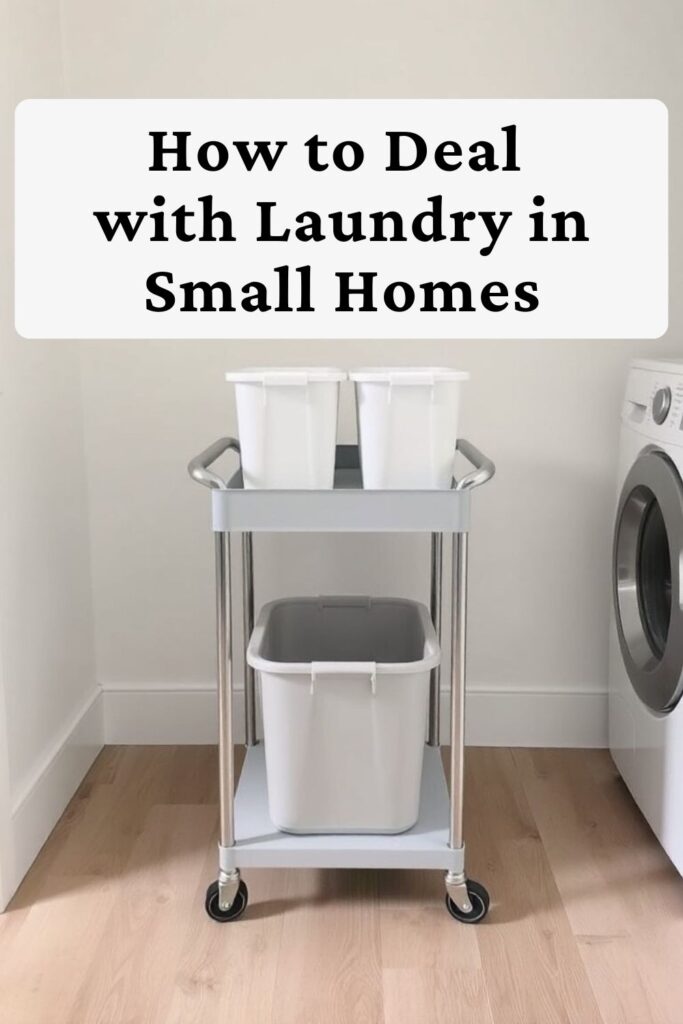
Consider a rolling cart that can move between your laundry area and storage location. These carts fit into narrow spaces and provide multiple tiers for organizing different supplies.
Over-door organizers work well on closet doors or bathroom doors, providing easy access to frequently used items without taking up floor space.
Maximizing Your Small Laundry Room Setup
Even the smallest laundry areas can be highly functional with proper planning. Wall-mounted drying racks fold flat against the wall when not in use, providing substantial hanging space when needed.
Install a fold-down ironing board to save space while maintaining the ability to press clothes when necessary. These boards mount to walls or inside closet doors.
Use the space above your washer and dryer for a countertop or shelf that provides folding space and additional storage. This surface becomes essential for managing clean laundry efficiently.
Efficient Laundry Routines for Small Spaces
Developing consistent routines helps prevent laundry from overwhelming your small space. Sort clothes as you wear them using a divided hamper or separate bags for different fabric types.
Wash smaller loads more frequently rather than letting laundry accumulate. This approach prevents clothes from taking over your living space and ensures you always have clean items available.
Fold and put away immediately after drying to prevent clean clothes from creating clutter. When space is limited, every surface needs to remain functional.
Consider air-drying delicate items on a drying rack while using your dryer for heavier fabrics. This combination approach extends garment longevity while maximizing appliance efficiency.
Alternative Laundry Solutions
Laundromat Strategies
Many small home dwellers find laundromats cost-effective for bulky items like comforters or when doing large loads. Develop a routine that combines home washing for daily items with periodic laundromat visits for bigger cleaning tasks.
Wash and Fold Services
Professional wash and fold services can be economical when you factor in time savings and utility costs. Many services offer pickup and delivery, eliminating transportation concerns.
Hand Washing Techniques
Learning proper hand washing methods for delicate items or quick refreshing reduces dependence on machines. A large sink or portable wash basin can handle small loads effectively.
Budget-Friendly Small Space Laundry Ideas
You don’t need expensive appliances to manage laundry in small homes effectively. DIY drying racks can be constructed from PVC pipe or wooden dowels, providing customizable solutions for your space.
Multipurpose furniture like storage ottomans with removable tops can house laundry supplies while providing seating. Tension rods installed in showers or between walls create instant hanging space for air-drying clothes.
Mesh laundry bags help organize different fabric types and prevent small items from getting lost in machines or during transport to laundromats.
Maintenance Tips for Small Space Appliances
Compact appliances require regular maintenance to function efficiently in small spaces. Clean lint filters after every load to prevent fire hazards and maintain drying efficiency.
Run cleaning cycles monthly using manufacturer-recommended products to prevent buildup in machines. Check hoses and connections regularly, as compact installations may stress these components more than traditional setups.
Ventilation is crucial in small spaces where appliances operate in close proximity to living areas. Ensure adequate airflow around appliances and consider using exhaust fans during operation.
Questions & Answers
What size washer and dryer should I get for a small apartment?
Compact or apartment-size washers and dryers typically measure 24 inches wide and can handle 2.3-2.7 cubic feet of laundry. These sizes work well for 1-2 person households and fit into standard closets or alcoves. For even smaller spaces, consider a washer-dryer combo unit that handles both functions in one 24-inch footprint.
Can I install a washer and dryer in my bathroom?
Yes, bathrooms can accommodate washers and dryers if you have adequate space, proper electrical connections, and ventilation. Ensure your bathroom has a 240V outlet for electric dryers or gas connections for gas models. You’ll also need proper drainage and enough clearance around the appliances for safe operation.
How much does it cost to do laundry in a small space?
Costs vary significantly based on your chosen method. Owning compact appliances costs approximately $0.50-$1.50 per load in utilities. Laundromat visits typically range from $2-$6 per load depending on machine size and location. Wash-and-fold services usually charge $1.50-$3.00 per pound of laundry.
What’s a space-efficient way to dry clothes indoors?
Retractable clotheslines, wall-mounted drying racks, and over-door hanging systems provide maximum drying space while folding away when not needed. Heated drying racks can speed the process in humid conditions. For quick-drying items, shower rods work well in bathrooms with good ventilation.
How often should I do laundry when living in a small space?
Washing smaller loads 2-3 times per week prevents clothes from accumulating and overwhelming your space. This frequency also ensures you have clean clothes available while maintaining the functionality of your living areas. Sort laundry as you go to streamline the process.