How to Deep Clean a Kitchen Sink
Your kitchen sink can handle a lot throughout the day. Food particles, grease, and soap residue can build up over time.
A deeper clean can help remove that buildup and keep things fresher. Here’s how to deep clean a kitchen sink with straightforward steps.
Why Kitchen Sink Cleaning Matters
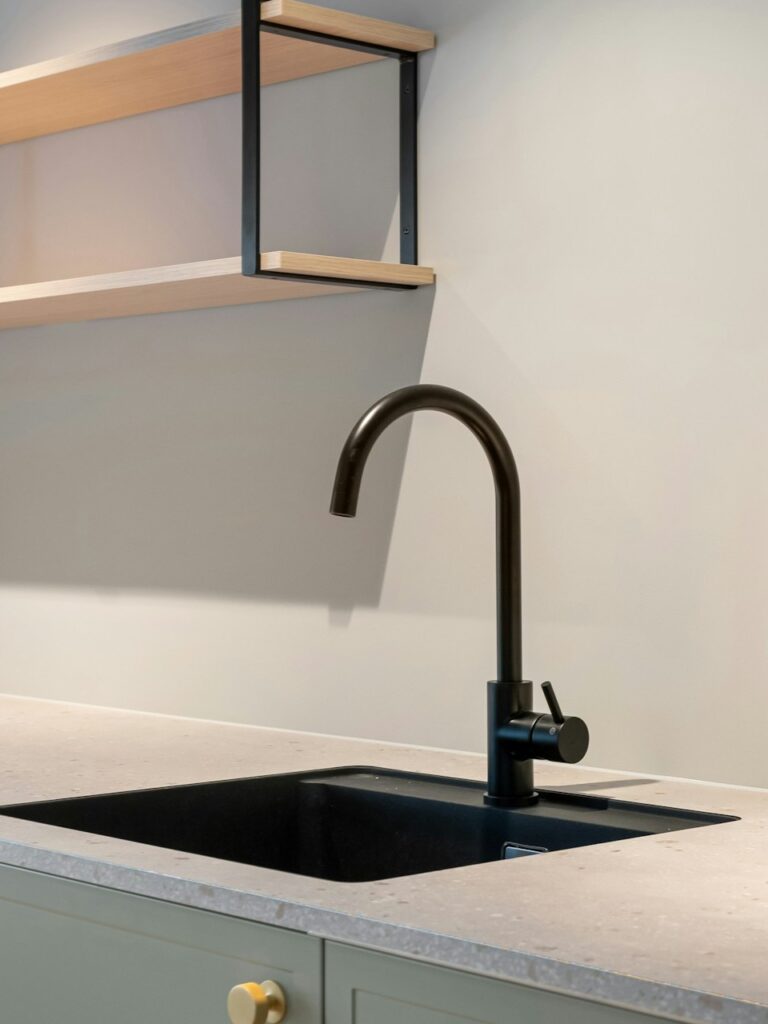
Kitchen sinks tend to collect more grime than you might notice at first glance. The basin, drain, and even the faucet base can harbor residue.
Regular surface wipes help, but they might not address everything. A thorough clean can reach those spots that daily rinsing misses.
This kind of maintenance can help your sink look better and function more smoothly over time.
1. Clear Everything Out and Rinse the Kitchen Sink Basin
Start by removing dishes, sponges, and anything else sitting in or around the sink. Give the entire basin a quick rinse with warm water.
This step helps wash away loose debris and food particles. It sets up a cleaner surface for the next steps.
Clearing the space first can make the actual cleaning easier to manage.
2. Sprinkle Baking Soda Across the Sink Surface
Once the sink is clear, sprinkle baking soda generously over the entire basin. Cover the bottom, sides, and any problem areas where stains appear.
Baking soda acts as a gentle abrasive that can help lift stuck-on grime. It’s safe for most sink materials.
Let it sit for a minute or two before moving on.
Also read: 10 Solutions for Light Mold in Sink Areas
3. Scrub the Basin to Remove Buildup from Your Kitchen Sink
Use a soft sponge or cloth to scrub the baking soda into the sink surface. Work in circular motions and apply light pressure.
Pay attention to corners, the area around the drain, and any visible stains. The baking soda should start to lift the grime.
This scrubbing step targets the residue that regular washing might leave behind.
4. Clean the Sink Drain and Disposal Area
The drain tends to collect food particles and grease. Sprinkle more baking soda directly into the drain opening.
Pour a small amount of white vinegar on top. You’ll notice some fizzing, which can help loosen debris inside.
Let it sit for about five minutes, then flush with hot water. This can help clear minor buildup.
Also read: 6 Cabinet Cleaning Methods for Different Kitchen Styles
5. Tackle Stubborn Stains on Your Kitchen Sink
If you notice stubborn stains that didn’t come off with baking soda, try a paste. Mix baking soda with a little water to form a thick consistency.
Apply it directly to the stain and let it sit for 10 to 15 minutes. Then scrub gently with a sponge.
For tough spots on stainless steel, a bit of cream of tartar mixed with the paste can sometimes help.
6. Sanitize the Kitchen Sink Surface
After scrubbing, you might want to sanitize the sink. Mix one tablespoon of bleach with one gallon of water.
Wipe down the entire basin with this solution using a clean cloth. Let it sit for a few minutes.
Rinse thoroughly with water afterward. This step can help reduce bacteria on the surface.
Also read: 6 Ways to Clean a Knife Block
7. Clean Around the Faucet and Hardware
Grime can collect around the faucet base and handles. Use an old toothbrush dipped in soapy water to scrub these areas.
Get into the crevices where the faucet meets the sink. These spots often get overlooked.
Dry the hardware with a clean towel to prevent water spots from forming.
8. Rinse and Dry the Entire Kitchen Sink Thoroughly
Once you’ve finished all the cleaning steps, rinse the sink completely with warm water. Make sure no cleaning solution or baking soda remains.
Use a clean, dry towel to wipe down the basin and faucet. Drying helps prevent water spots and mineral buildup.
Also read: 7 Fixes for Sticky Kitchen Floor Tiles
What to Watch Out For
Avoid using steel wool or harsh abrasive pads on stainless steel sinks. These can scratch the surface and make it harder to clean over time.
Be cautious with acidic cleaners like vinegar on natural stone sinks. They can damage certain materials.
Test any new cleaning method on a small area first if you’re unsure how your sink will react.
Keeping Your Sink Clean Between Deep Cleans
Daily rinsing after each use can help reduce buildup. Wipe down the basin with a sponge once a day.
Run hot water through the drain regularly to help clear minor residue. These small habits can extend the time between deeper cleaning sessions.
Keep your sink maintenance tools, like sponges and brushes, clean as well. Dirty tools can reintroduce grime.
Questions & Answers About Kitchen Sink Cleaning
How often should you deep clean a kitchen sink?
Most sinks benefit from a deep clean once a week or every two weeks. The frequency can depend on how much you use your sink.
If you cook often or have a busy household, weekly cleaning might help. For lighter use, every other week can work fine.
How do you remove stains from a white kitchen sink?
White sinks can show stains more easily. A paste of baking soda and water can help lift many common stains.
For tougher marks, hydrogen peroxide applied directly to the stain and left for 15 minutes might help. Always rinse thoroughly afterward.
Can baking soda clean a kitchen sink effectively?
Baking soda is gentle enough for most sink materials and can help remove grime. Its mild abrasive quality makes it useful for scrubbing without scratching.
It also helps neutralize odors that can develop in the drain. Combined with vinegar, it can provide some cleaning action in hard-to-reach areas.
What should you avoid when cleaning a kitchen sink?
Avoid mixing bleach with ammonia or vinegar, as this can create harmful fumes. Don’t use abrasive scrubbers on delicate surfaces.
Skip harsh chemical cleaners if you have a septic system, as they can disrupt the bacterial balance. Always check what’s safe for your specific sink material.
How do you clean the area around the sink drain?
Use a toothbrush or small brush to scrub around the drain opening. Baking soda and vinegar can help clean inside the drain itself.
For the rubber splash guard in garbage disposals, lift the flaps and scrub underneath with soapy water. This area can collect hidden grime.
Is it necessary to sanitize your kitchen sink?
Sanitizing can help reduce bacteria, especially if you handle raw meat or other foods in the sink. It’s not required for every cleaning session.
A diluted bleach solution or a disinfecting spray can work for this purpose. Just make sure to rinse thoroughly after sanitizing.
Wrapping Up
A clean kitchen sink can make your kitchen feel fresher. The steps above can help you tackle buildup and keep your sink in better shape.
Try these methods and see what works for your sink type. With a bit of regular attention, kitchen sink care doesn’t have to be complicated.