How to Hang Shelves Near the Sink
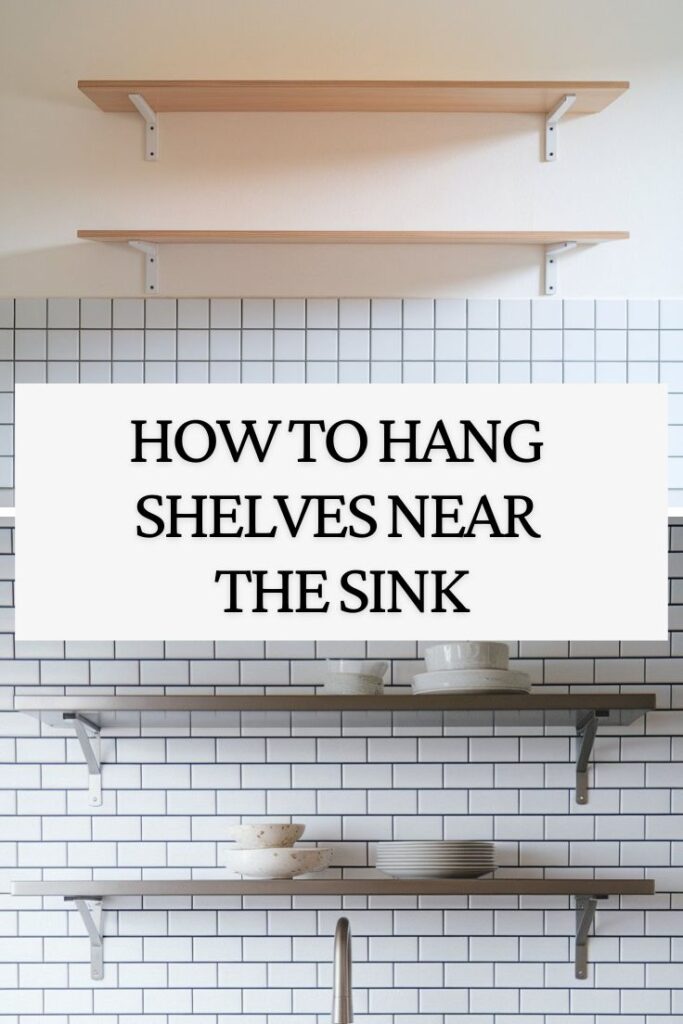
Learning how to hang shelves near the sink can transform your kitchen or bathroom into a more organized and functional space. Whether you’re dealing with limited counter space or want to create additional storage for daily essentials, installing shelves in these moisture-prone areas requires careful planning and the right materials. This guide covers the key steps for selecting, installing, and maintaining shelves in moisture-prone areas like kitchens and bathrooms.
Why Install Shelves Near Your Sink?
Adding shelves near your sink offers numerous practical benefits. Kitchen sink shelving provides convenient storage for frequently used items like dish soap, sponges, and cleaning supplies. In bathrooms, bathroom sink shelves keep toiletries organized and within easy reach. The key is choosing the right approach for your specific needs and space constraints.
Choosing Suitable Materials for Wet Environments
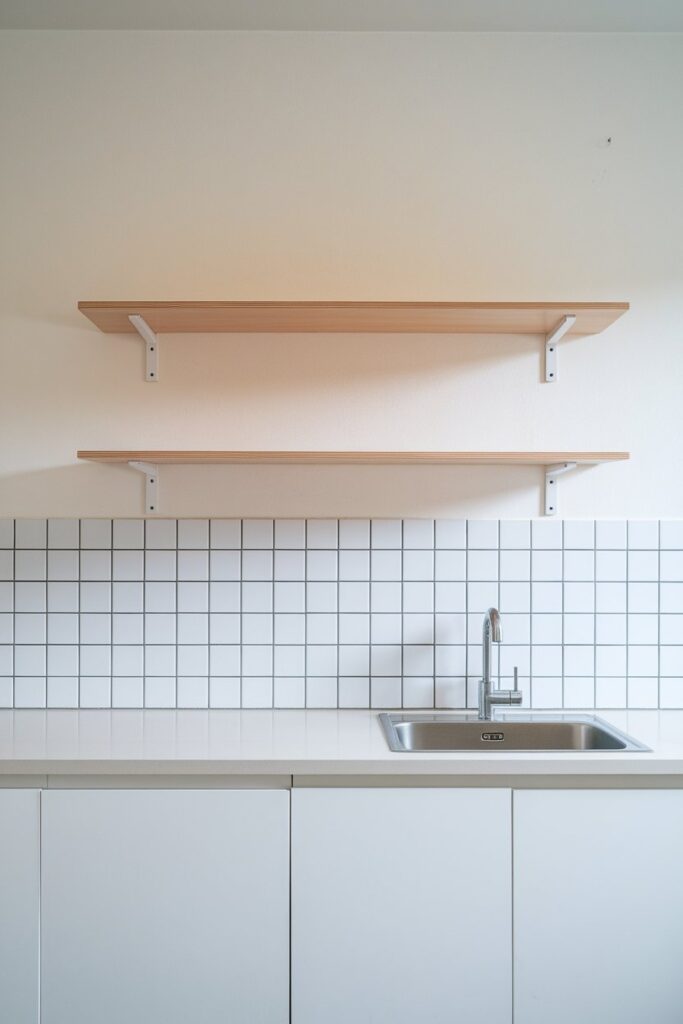
When you hang shelves near the sink, moisture resistance becomes your top priority. Here are the best material options:
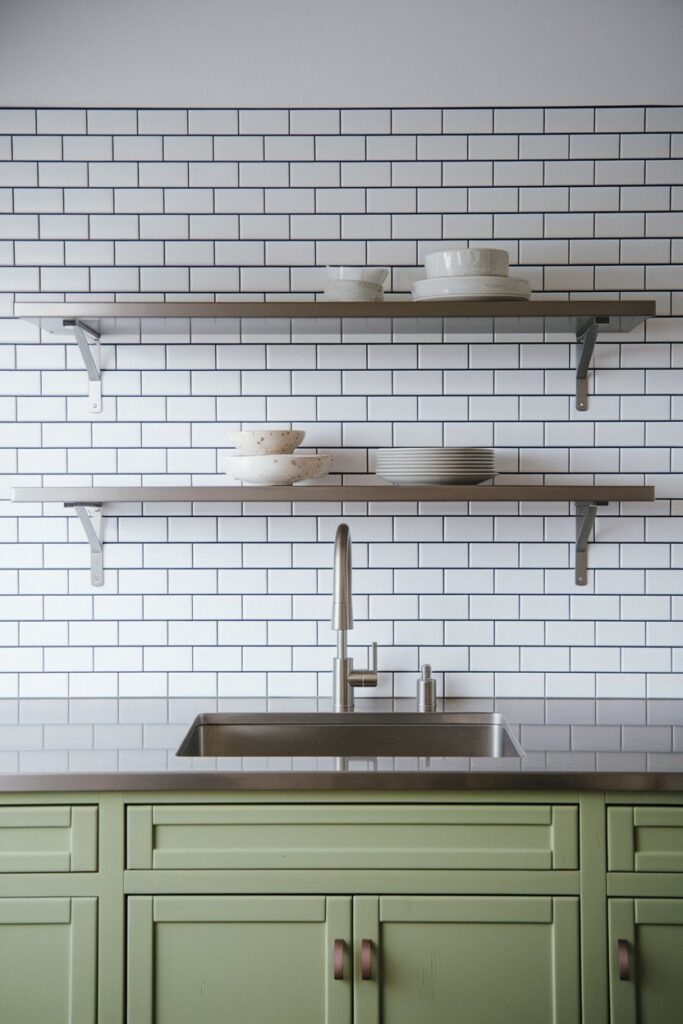
Stainless Steel Shelves
- Completely rust-resistant
- Easy to clean and maintain
- Modern appearance that complements most fixtures
- Ideal for both kitchen and bathroom applications
Treated Wood Shelves
- Use marine-grade plywood or pressure-treated lumber
- Apply waterproof sealant every 6-12 months
- Provides warmth and natural beauty
- Requires more maintenance than metal options
Plastic and Composite Materials
- Lightweight and moisture-resistant
- Available in various colors and finishes
- Budget-friendly option
- May not support heavy items as well as other materials
Glass Shelves
- Water-resistant and easy to clean
- Creates an open, airy feel
- Requires proper support brackets
- A good option for lighter items
Essential Tools and Hardware
Before you begin your sink area shelf installation, gather these necessary tools:
- Drill with appropriate bits
- Level (at least 24 inches long)
- Stud finder
- Measuring tape
- Pencil for marking
- Safety glasses
- Wall anchors (if not drilling into studs)
- Screws appropriate for your wall type
- Bracket mounting hardware
Step-by-Step Installation Process
Planning Your Shelf Placement
Start by measuring the area around your sink. Optimal shelf height above sink typically ranges from 12-18 inches, depending on your ceiling height and personal preferences. Consider the following factors:
- Clearance requirements: Ensure adequate space for faucet operation
- User height: Position shelves at comfortable reaching distance
- Plumbing considerations: Avoid drilling into areas with hidden pipes
- Electrical safety: Maintain proper distance from electrical outlets
Locating Wall Studs
Use a stud finder to locate solid mounting points. Wall studs provide the strongest support for shelves, especially when storing heavier items. Mark stud locations with a pencil, as these will be your primary mounting points.
Marking Your Shelf Positions
- Measure and mark the desired shelf height
- Use a level to ensure your marks are perfectly horizontal
- Double-check measurements before drilling
- Consider spacing between multiple shelves (typically 12-16 inches apart)
Drilling and Mounting
- Drill pilot holes at marked locations
- If mounting into studs, use wood screws appropriate for your shelf brackets
- For drywall-only mounting, use heavy-duty wall anchors rated for your shelf’s weight capacity
- Install brackets according to manufacturer specifications
- Test bracket stability before placing shelves
Waterproofing and Protection Strategies
To ensure your shelves withstand moisture exposure, implement these protective measures:
Proper Ventilation
- Install exhaust fans in bathrooms
- Use range hoods in kitchens
- Ensure adequate air circulation around shelf areas
Sealing Techniques
- Apply silicone caulk around shelf brackets where they meet the wall
- Use waterproof sealants on wood shelves
- Consider adding a drip edge to prevent water accumulation
Regular Maintenance
- Wipe down shelves regularly to prevent water damage
- Check and tighten mounting hardware periodically
- Reapply protective coatings as needed
Load Capacity and Weight Distribution
Understanding weight limits is crucial when you hang shelves near the sink. Consider these guidelines:
- Standard drywall anchors: 25-50 pounds maximum
- Stud-mounted shelves: 50-100+ pounds depending on bracket quality
- Distribute weight evenly across the shelf length
- Avoid overloading single points on the shelf
Organization Tips for Sink Area Shelves
Maximize your newly installed shelves with smart organization:
Kitchen Sink Shelves
- Store frequently used cleaning supplies on lower shelves
- Keep dish soap and sponges within arm’s reach
- Use containers to group similar items
- Place heavier items closer to wall brackets
Bathroom Sink Shelves
- Organize toiletries by frequency of use
- Use non-slip mats to prevent items from sliding
- Store backup supplies on higher shelves
- Keep daily essentials at eye level
Mistakes to Avoid
Ignoring Moisture Protection Many people underestimate the importance of waterproofing when installing shelves in wet areas. Always use appropriate materials and protective measures.
Inadequate Support Skipping stud mounting for heavy items can lead to shelf failure. Always use proper anchoring for your shelf’s intended load.
Poor Spacing Installing shelves too close together limits functionality. Plan spacing based on the items you’ll store.
Neglecting Maintenance Regular cleaning and maintenance extend shelf lifespan significantly. Don’t install and forget.
Troubleshooting Installation Issues
Shelf Sagging
- Check bracket mounting and tighten if necessary
- Redistribute weight more evenly
- Consider adding additional brackets for support
Water Damage
- Improve ventilation in the area
- Apply additional waterproof sealant
- Consider upgrading to more moisture-resistant materials
Loose Mounting
- Verify that anchors are properly installed
- Replace worn hardware
- Consider upgrading to stud mounting if currently using drywall anchors
Maintenance and Long-Term Care
Proper maintenance ensures your sink area shelves remain functional and attractive:
Weekly Cleaning
- Wipe down shelves with appropriate cleaners
- Remove water spots and soap residue
- Check for signs of wear or damage
Monthly Inspections
- Verify mounting hardware remains secure
- Look for signs of water damage or corrosion
- Ensure proper drainage and ventilation
Annual Maintenance
- Reapply protective sealants as needed
- Replace worn brackets or hardware
- Deep clean and reorganize shelf contents
Questions & Answers
What is the recommended height to hang shelves above a kitchen sink?
The optimal height for kitchen sink shelves is typically 12-18 inches above the countertop. This provides adequate clearance for sink use while keeping items within easy reach. Consider your ceiling height and personal comfort when making the final determination.
Can I use regular wood shelves near a sink?
Regular untreated wood is not recommended for sink areas due to moisture exposure. If you prefer wood, use marine-grade plywood or pressure-treated lumber with waterproof sealant applied every 6-12 months to prevent water damage and warping.
How much weight can shelves near a sink support?
Weight capacity depends on your mounting method. Stud-mounted shelves can support 50-100+ pounds, while drywall anchors typically handle 25-50 pounds. Always check manufacturer specifications and distribute weight evenly across the shelf.
What tools do I need to install sink area shelves?
Essential tools include a drill with appropriate bits, level, stud finder, measuring tape, pencil, safety glasses, wall anchors, screws, and mounting brackets. Having quality tools ensures proper installation and reduces the risk of mistakes.
How do I prevent water damage to my sink shelves?
Prevent water damage by using moisture-resistant materials like stainless steel or treated wood, ensuring proper ventilation, applying waterproof sealants, and maintaining regular cleaning schedules. Consider adding drip edges to prevent water accumulation.
How often should I check my sink shelf mounting hardware?
Inspect mounting hardware monthly for tightness and stability. The moisture-rich environment near sinks can cause gradual loosening over time. Annual deep inspections should include checking for corrosion and replacing worn components.
Can I install shelves directly above a bathroom sink with electrical outlets?
Yes, but maintain proper clearances from electrical outlets and follow local building codes. Keep shelves at least 3 feet from electrical outlets and ensure any items stored won’t create electrical hazards if they fall or get wet.