How to Keep the Laundry Area Dust-Free
A dust-free laundry area is essential for maintaining clean clothes and protecting your washing machine and dryer from unnecessary wear. Dust accumulation in laundry rooms can contaminate freshly washed clothes, clog appliance filters, and create an unpleasant environment. Creating an organized, clean space doesn’t require expensive renovations—just consistent habits and smart strategies.
Why Dust Accumulates in Laundry Rooms
Laundry areas are particularly prone to dust buildup due to several factors. Lint from clothing is the primary culprit, escaping from the dryer vent and settling on surfaces. Poor ventilation allows particles to circulate and accumulate instead of being expelled. Additionally, detergent residue can attract and hold dust particles on surfaces.
High humidity levels from washing machines and dryers create an environment where dust sticks more readily to surfaces. Storage of cleaning supplies, extra linens, and seasonal items also provides more surfaces for dust to settle on.
Essential Daily Habits for a Dust-Free Laundry Area
Clean the Lint Filter After Every Load
The most important step in maintaining a dust-free laundry area is cleaning your dryer’s lint filter after each use. This simple habit prevents lint from circulating back into the room. Remove the filter, scrape off visible lint with your fingers, and rinse with warm water weekly to remove detergent buildup that can trap particles.
Wipe Down Surfaces Daily
Spend two minutes after each laundry session wiping down the tops of your washer and dryer with a microfiber cloth. This prevents dust from accumulating and becoming harder to remove later. Pay special attention to the area around the lint filter and dryer door seal.
Keep the Floor Clear
Maintain clear pathways and surfaces in your laundry room. Items left on the floor collect dust and make cleaning more difficult. Store laundry baskets on shelves or hooks when not in use, and keep cleaning supplies in closed cabinets.
How to Keep Laundry Room Dust-Free with Proper Ventilation
Improve Air Circulation
Installing an exhaust fan significantly reduces dust accumulation by removing humid air and particles. If adding a fan isn’t possible, keep windows open when weather permits to create natural airflow. Position a small fan near the entrance to encourage air movement.
Check and Clean Dryer Vents
Inspect your dryer vent monthly for blockages. A clogged vent forces lint back into the room instead of expelling it outside. Clean the external vent cover and ensure the vent hose connection is secure. Professional vent cleaning annually prevents major blockages.
Seal Air Leaks
Caulk gaps around windows, doors, and utility connections to prevent outside dust from entering your laundry area. Weather stripping around doors creates a better seal and reduces dust infiltration from other parts of the house.
Tips to Reduce Dust in Laundry Area Through Strategic Organization
Use Enclosed Storage Solutions
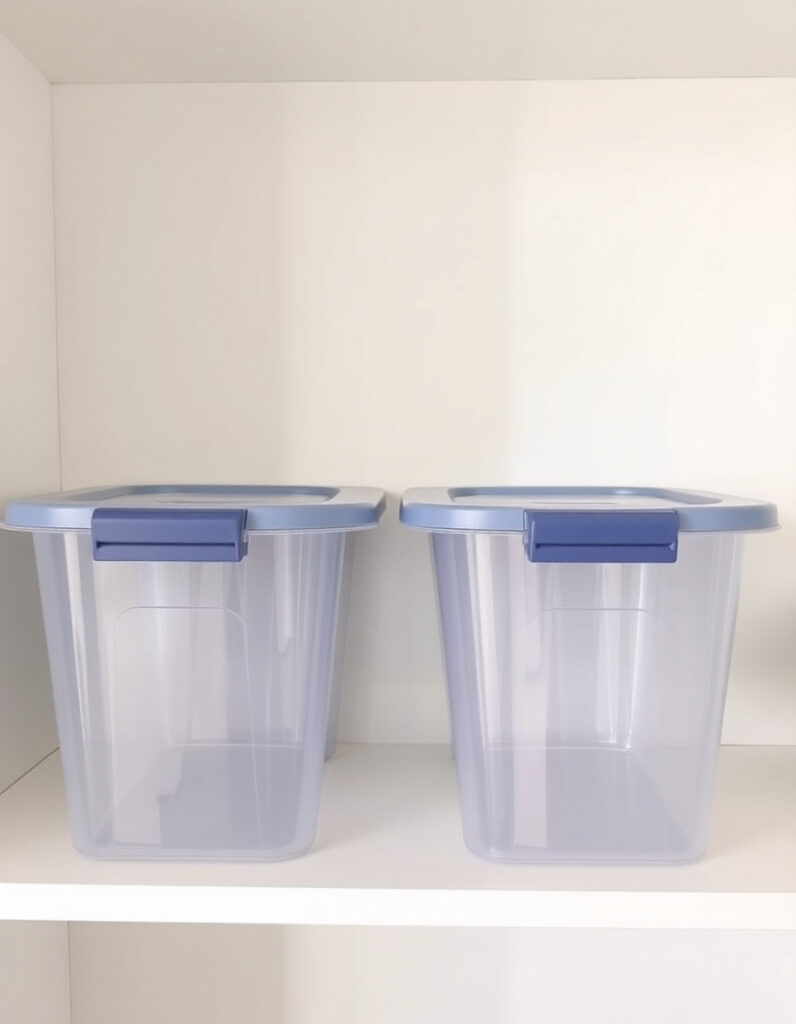
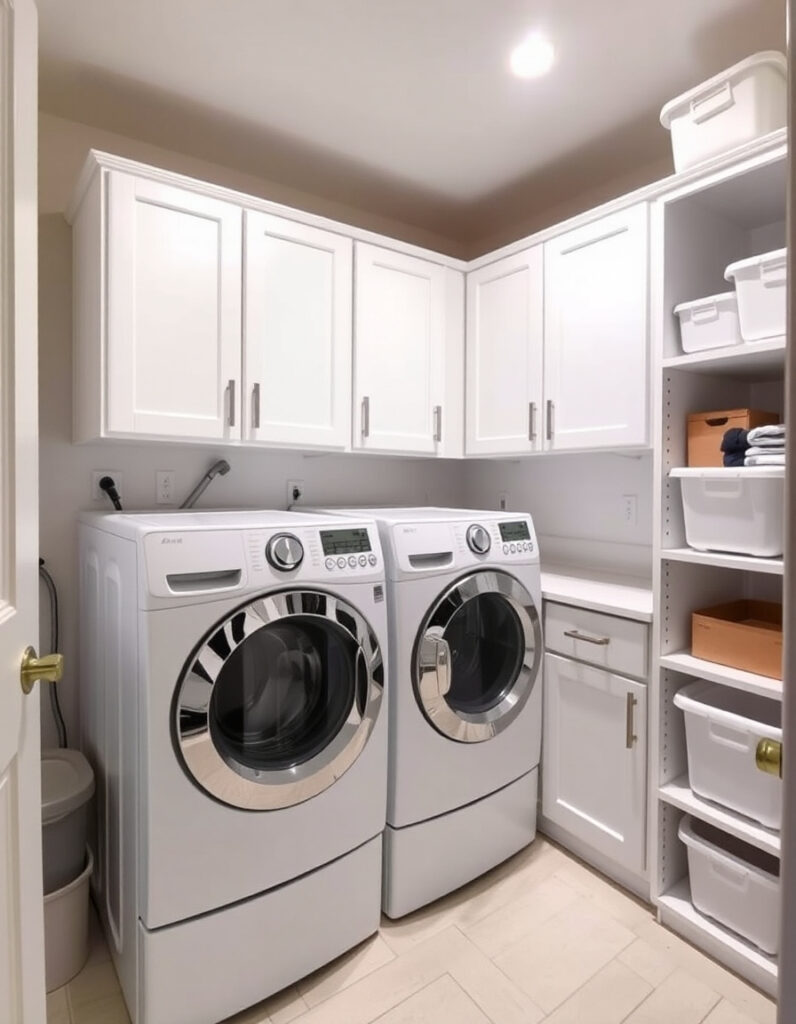
Replace open shelving with cabinets or add doors to existing shelves. Enclosed storage prevents dust from settling on stored items and reduces the number of surfaces requiring regular cleaning. Clear plastic bins with tight-fitting lids work well for smaller items.
Install Proper Shelving
Mount shelves at least 6 inches from the ceiling to allow for easy cleaning. Smooth surfaces like melamine or painted wood are easier to wipe down than rough or textured materials. Avoid fabric storage containers that can trap and hold dust.
Organize Cleaning Supplies
Store detergents and fabric softeners in sealed containers to prevent spills that attract dust. Keep frequently used items at eye level to minimize reaching and potential spills. Group similar items together to reduce the number of containers needed.
Deep Cleaning Strategies to Organize and Dust-Proof Laundry Area
Weekly Deep Clean Routine
Vacuum or sweep floors weekly, paying attention to corners and behind appliances where dust accumulates. Use a microfiber mop with a small amount of all-purpose cleaner to pick up remaining particles. Clean baseboards and window sills monthly as these areas collect significant dust.
Monthly Appliance Maintenance
Clean the inside of your washing machine monthly by running an empty cycle with two cups of white vinegar. This removes detergent residue that can attract dust. Wipe down the drum, door seals, and detergent dispensers with a damp cloth.
For dryers, vacuum the lint trap housing monthly using a crevice tool attachment. Pull out the lint filter and vacuum the slot where it sits. This removes lint that escapes the filter and prevents it from circulating in the room.
Seasonal Deep Cleaning
Four times per year, move appliances to clean underneath and behind them. Use a vacuum with a long hose to reach difficult areas. Wash or replace air filters if your laundry room has HVAC vents. Clean light fixtures and ceiling fans that can distribute dust when they operate.
Remove Dust from Washer and Dryer Area with Professional Techniques
Microfiber Cleaning Method
Use dampened microfiber cloths instead of traditional dusters, which can redistribute dust rather than capturing it. Start cleaning from top to bottom, working systematically around the room. Rinse cloths frequently to prevent spreading dust to clean surfaces.
Vacuum Attachment Strategy
Use appropriate vacuum attachments for different surfaces. Brush attachments work well for textured surfaces, while crevice tools reach tight spaces around appliances. Vacuum before wiping to remove loose particles that could scratch surfaces during cleaning.
Natural Cleaning Solutions
Mix equal parts water and white vinegar for an effective, non-toxic cleaning solution. Add a few drops of dish soap for extra cleaning power. This mixture cuts through detergent residue and doesn’t leave chemical residues that can attract dust.
Maintaining Your Dust-Free Laundry Area Long-Term
Establish Consistent Routines
Create a weekly cleaning schedule that includes all dust-prone areas. Assign specific days for different tasks: lint filter cleaning after each load, surface wiping daily, and deep cleaning weekly. Consistency prevents dust buildup from becoming overwhelming.
Monitor and Adjust
Pay attention to areas that accumulate dust quickly and adjust your cleaning frequency accordingly. If certain surfaces need daily attention, factor that into your routine. Seasonal changes may require modifications to your cleaning schedule.
Invest in Quality Tools
High-quality microfiber cloths and vacuum attachments make cleaning more effective and efficient. Replace worn cleaning tools regularly to maintain their effectiveness. A good vacuum with strong suction reduces the time needed for weekly cleaning.
Questions & Answers
How often should I clean my dryer lint filter?
Clean your dryer lint filter after every single load. This is the most important step in preventing lint and dust from accumulating in your laundry room. Additionally, wash the lint filter with warm, soapy water once a month to remove detergent buildup that can reduce its effectiveness.
Why does my laundry room get dusty so quickly?
Lint from clothing, poor ventilation, and high humidity are the main causes of rapid dust accumulation in laundry rooms. Dryer lint is the biggest contributor, followed by particles from detergents and fabric softeners. Improving ventilation and maintaining your dryer properly will significantly reduce dust buildup.
Can I use regular household cleaners in my laundry room?
Yes, most household cleaners are safe for laundry room surfaces. However, avoid using fabric softener or dryer sheets to clean surfaces, as these can leave residues that attract more dust. A simple mixture of water and white vinegar works effectively for most cleaning tasks.
How do I prevent dust from getting on my clean clothes?
Store clean clothes in closed baskets or immediately fold and put them away. Keep your laundry room as dust-free as possible by following regular cleaning routines. If you must store clean laundry temporarily, cover baskets with clean towels or sheets to protect clothing from settling dust.
Should I keep my laundry room door open or closed?
Keep the door open during and after using appliances to improve ventilation and prevent moisture buildup. Close the door when not doing laundry to prevent dust from other areas of the house from entering. If your laundry room has an exhaust fan, run it during and for 30 minutes after each load.
What type of flooring is best for reducing dust in laundry rooms?
Smooth, non-porous flooring like vinyl, tile, or sealed concrete is easiest to keep dust-free. These surfaces can be quickly swept, vacuumed, or mopped. Avoid carpeting in laundry rooms, as it traps dust, lint, and moisture, making cleaning more difficult and potentially creating odor problems.