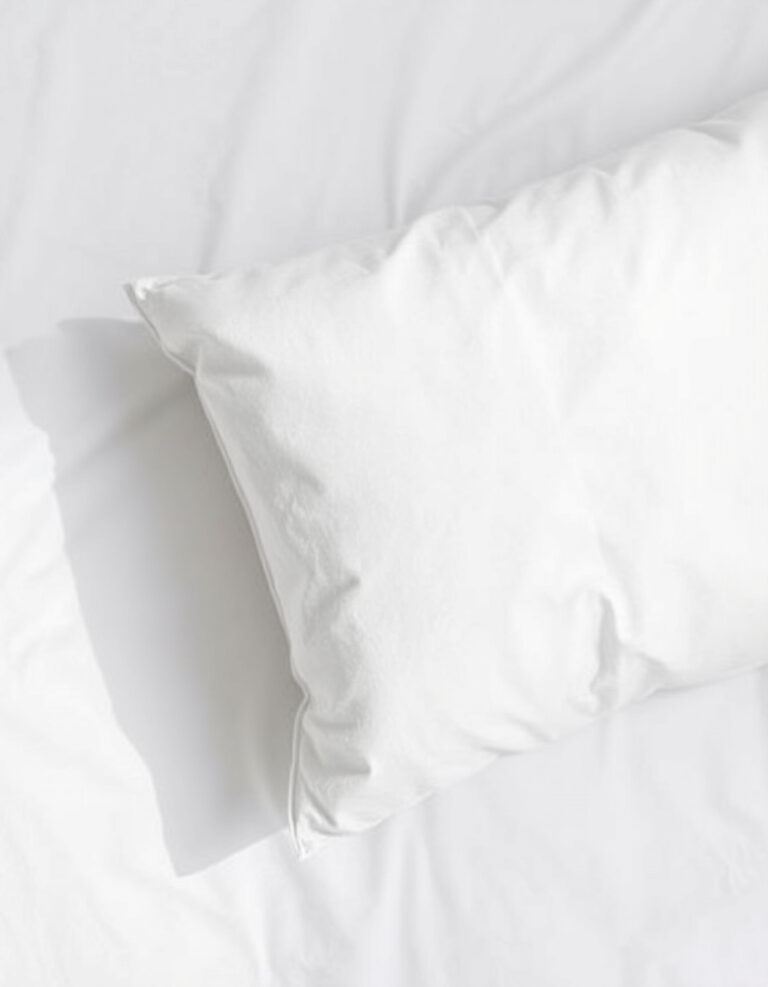
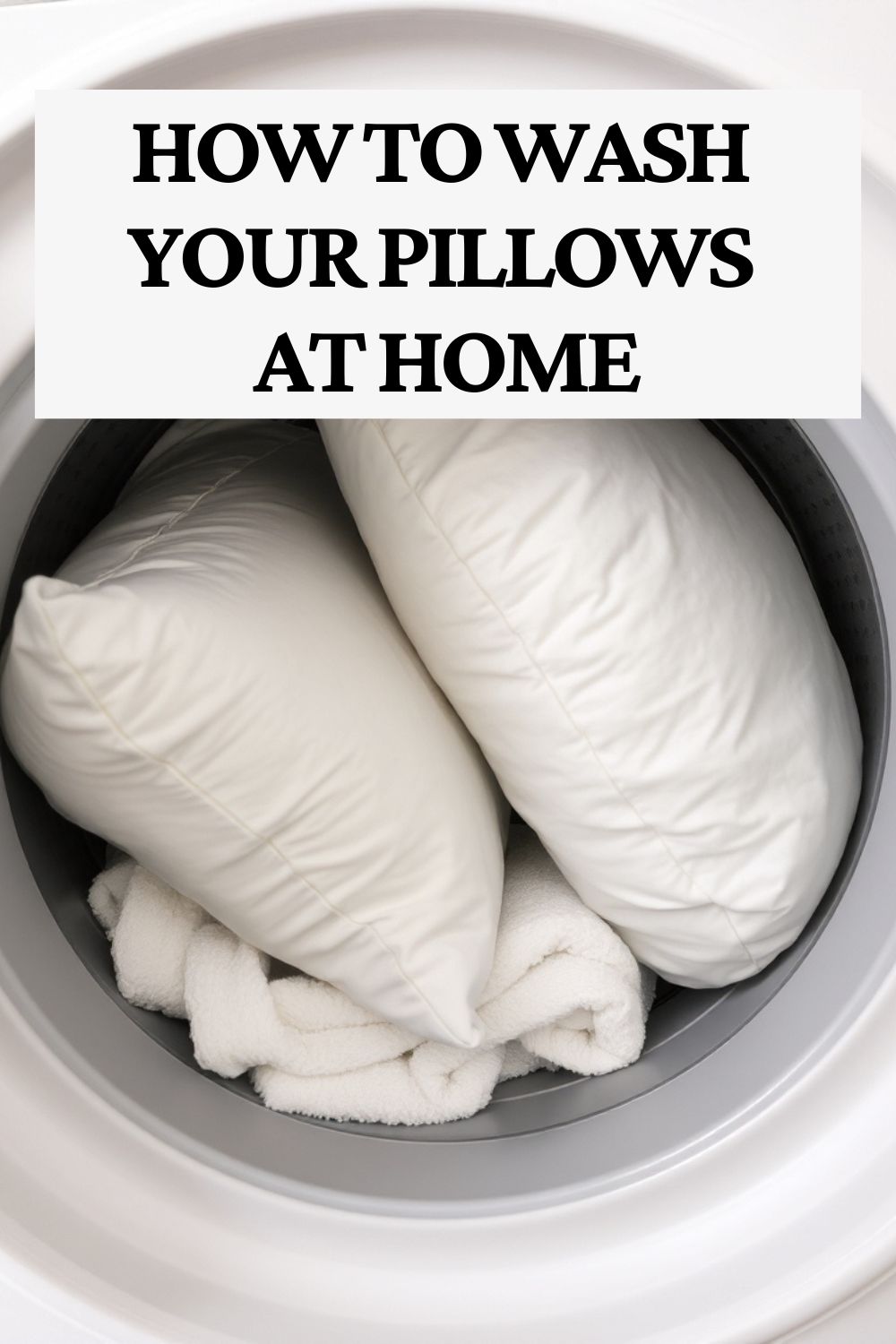
Most people wash their pillowcases regularly but forget about the pillows themselves. Learning how to wash pillows at home is essential for maintaining good hygiene and keeping your pillows fresh. Regular pillow cleaning removes accumulated sweat, oils, dust mites, and allergens that build up over time.
Why Regular Pillow Cleaning Matters
Your pillows absorb body oils, sweat, and dead skin cells every night. Without proper cleaning, these materials create an ideal environment for dust mites and bacteria. Washing pillows at home every 3-6 months helps maintain a healthy sleeping environment and prevents odors from developing.
Checking Your Pillow’s Care Label
Before starting the washing process, always check the care label on your pillow. Different pillow materials require specific cleaning methods:
- Down and feather pillows: Usually machine washable on gentle cycle
- Memory foam pillows: Typically require spot cleaning only
- Synthetic fill pillows: Generally machine washable
- Latex pillows: Hand wash or spot clean recommended
How to Clean Bed Pillows in the Washing Machine
Step 1: Pre-Treatment
Remove pillowcases and pillow protectors. Check for any stains and pre-treat them with a small amount of liquid detergent. Let the treatment sit for 15 minutes before washing.
Step 2: Loading the Machine
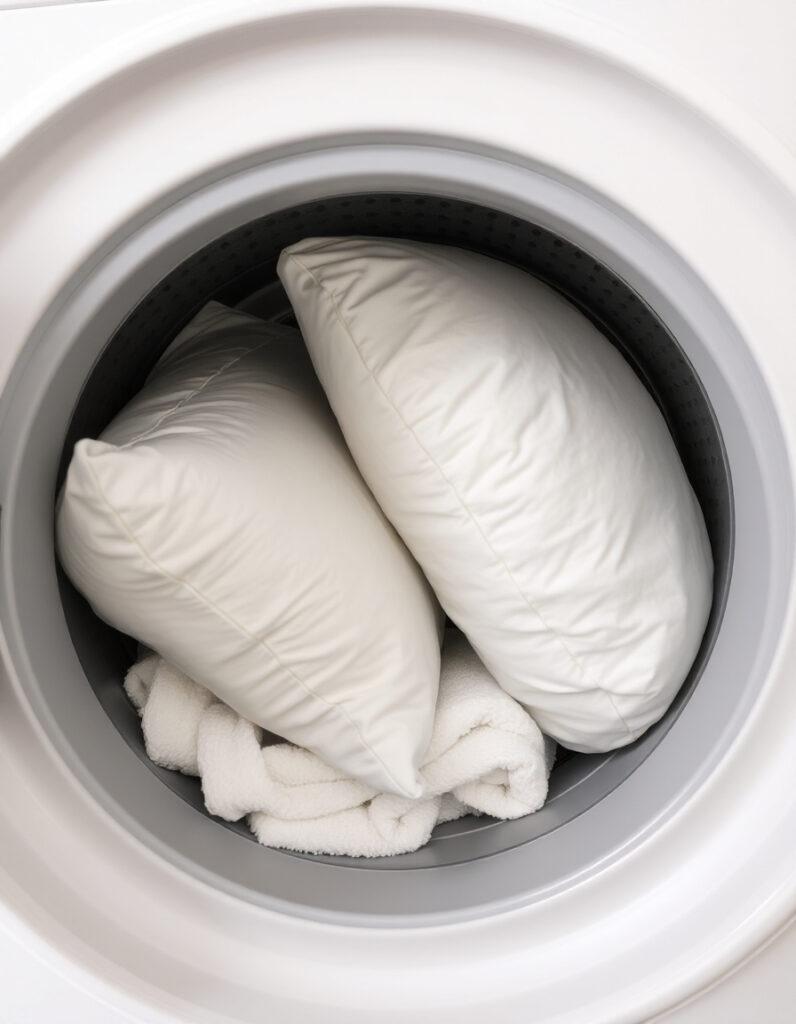
Load two pillows at once to balance your washing machine. If you only have one pillow, add a couple of clean towels to balance the load. This prevents the machine from becoming unbalanced during the spin cycle.
Step 3: Selecting Settings
- Use warm water for most pillow types
- Choose a gentle or delicate cycle
- Add a small amount of mild detergent
- Run an extra rinse cycle to ensure all soap residue is removed
Step 4: Drying Process
Proper drying is crucial to prevent mold and mildew. Use these methods:
- Machine drying: Use low heat setting with dryer balls or clean tennis balls
- Air drying: Lay flat on a clean, dry surface in a well-ventilated area
- Fluff regularly during the drying process to maintain shape
Hand Washing Method for Delicate Pillows
Some pillows require gentle hand washing. Fill a large basin or bathtub with lukewarm water and add a small amount of mild detergent. Gently squeeze the pillow underwater, avoiding aggressive twisting or wringing. Rinse thoroughly with clean water until no soap bubbles remain.
Pillow Care Tips for Different Materials
Down and Feather Pillows
These natural fill pillows need gentle handling and thorough drying. Use a low-heat setting and add dryer balls to help redistribute the filling. The drying process may take several hours.
Synthetic Fill Pillows
Clean pillows in washing machine using regular settings. These pillows dry faster than down alternatives and can handle slightly higher heat settings.
Memory Foam Pillows
Never put memory foam in the washing machine. Instead, spot clean with mild detergent and allow to air dry completely. Remove the cover and wash it separately if possible.
Signs Your Pillows Need Washing
Watch for these indicators that it’s time to wash your pillows:
- Visible stains or discoloration
- Persistent odors that don’t go away
- Increased allergy symptoms
- Lumpy or uneven texture
- Yellow or brown spots from body oils
Mistakes to Avoid
Using Too Much Detergent
Excess detergent creates residue that’s difficult to rinse out. Use half the normal amount of detergent when washing pillows.
Skipping the Extra Rinse
Soap residue can cause skin irritation and make pillows feel stiff. Always run an additional rinse cycle.
Rushing the Drying Process
Inadequately dried pillows can develop mold and mildew. Ensure pillows are completely dry before use.
Maintaining Clean Pillows Between Washes
Use Pillow Protectors
Waterproof pillow protectors create a barrier against moisture and stains. These can be washed weekly along with your regular bedding.
Regular Fluffing
Fluff your pillows daily to maintain their shape and prevent permanent compression. This also helps air circulate through the filling.
Proper Storage
Store extra pillows in breathable containers or cotton bags. Avoid plastic bags, which can trap moisture and promote mold growth.
Conclusion
Knowing how to wash pillows at home is a valuable skill that keeps your bedding fresh and hygienic. Regular cleaning every 3-6 months, combined with proper pillow protectors and daily maintenance, helps keep pillows in good condition. Remember to check care labels, use appropriate water temperatures, and ensure thorough drying to prevent mold and maintain pillow integrity.
Questions & Answers
How often should I wash my pillows?
Wash your pillows every 3-6 months, depending on usage and personal preference. People with allergies or those who sweat heavily during sleep may need to wash them more frequently.
Can I put all types of pillows in the washing machine?
No, not all pillows are machine washable. Down and synthetic pillows typically can be machine washed, while memory foam and latex pillows require spot cleaning or hand washing only.
What temperature water should I use when washing pillows?
Use warm water for most pillow types. Hot water can damage certain materials and cause shrinkage, while cold water may not effectively remove oils and bacteria.
Why do my pillows smell after washing?
This usually indicates insufficient drying. Pillows must be completely dry before use to prevent mold and mildew growth. Ensure proper air circulation during the drying process.
Can I use fabric softener on pillows?
Avoid fabric softener when washing pillows, as it can coat the filling and reduce fluffiness. It may also leave residue that attracts dirt and allergens.
How long does it take for pillows to dry completely?
Drying time varies by pillow type and method. Machine drying on low heat takes 2-4 hours, while air drying can take 12-24 hours depending on humidity and air circulation.
What should I do if my pillow loses its shape after washing?
Fluff the pillow thoroughly while it’s still slightly damp. For down pillows, use dryer balls during the drying process to help redistribute the filling and restore shape.
Is it safe to wash pillows with bleach?
Avoid bleach on most pillow materials, as it can damage fibers and cause discoloration. For stubborn stains, use oxygen bleach or enzyme-based cleaners instead.