Kitchen wall space often goes unused, yet it offers some of the most valuable real estate in your home. Whether you’re dealing with a compact kitchen or simply want to maximize your storage capacity, transforming your vertical surfaces can significantly increase functionality without requiring major renovations. These six simple strategies can help you make better use of your kitchen wall space, keeping things tidy and making your kitchen work more efficiently.
1. Install Wall-Mounted Shelves for Kitchen Storage
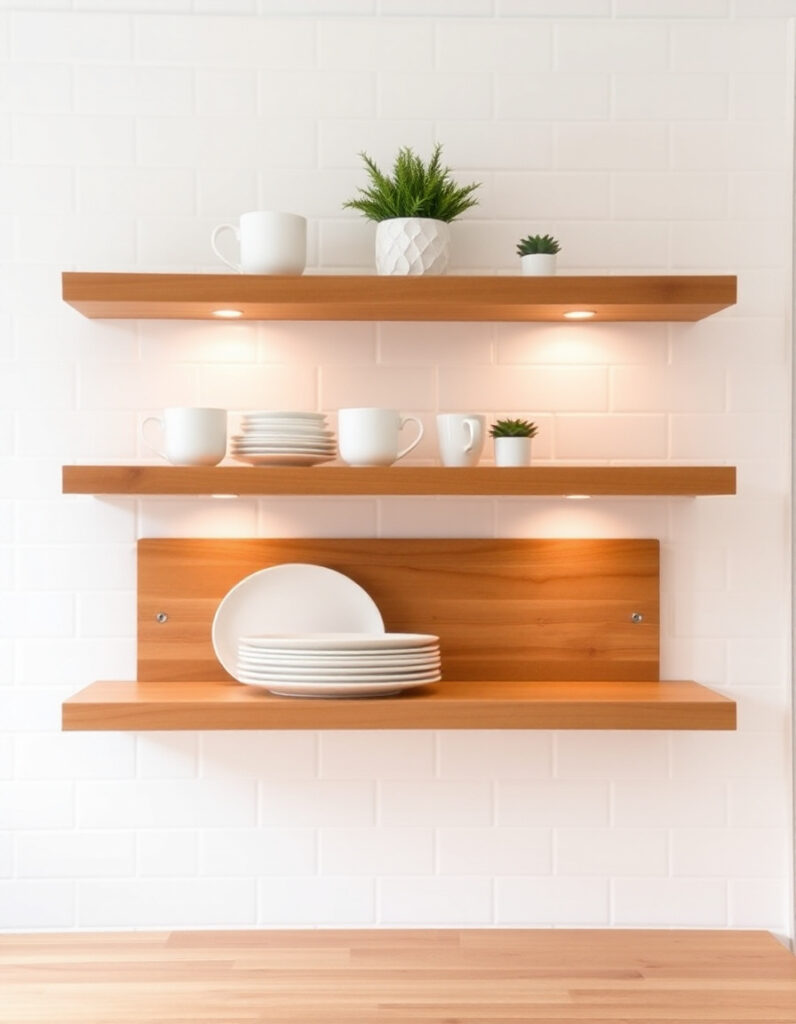
Wall-mounted shelves for kitchen storage provide immediate relief for overcrowded cabinets and countertops. Open shelving works particularly well for frequently used items like dishes, glasses, and cooking essentials. Install floating shelves at eye level for easy access to everyday items, and use higher shelves for decorative pieces or items used less frequently.
When selecting shelves, consider both weight capacity and moisture resistance. Stainless steel or sealed wood shelves handle kitchen conditions better than basic particle board options. Space shelves 12-15 inches apart to accommodate most dishes and small appliances while maintaining easy access.
2. Creative Ways to Use Kitchen Wall Space with Magnetic Solutions
Magnetic strips and boards offer innovative storage solutions that keep knives, spices, and small metal tools within reach. Mount magnetic knife strips on walls near your prep area for safe, convenient access to cutting tools. Magnetic spice containers can be attached to the side of your refrigerator or a dedicated magnetic board, freeing up valuable cabinet space.
This approach works particularly well in smaller kitchens where every inch counts. Magnetic solutions also make it easy to see what you have at a glance, reducing duplicate purchases and meal prep time.
3. Vertical Storage Solutions for Kitchen Walls with Pegboard Systems
Pegboard systems provide customizable storage that adapts to your changing needs. These vertical storage solutions for kitchen walls allow you to hang pots, pans, utensils, and even small shelves using removable hooks and brackets. The flexibility means you can reconfigure your setup as your cooking habits or kitchen tools change.
Install pegboard panels in high-traffic areas like above your stove or prep counter. Choose powder-coated metal pegboard for durability in humid kitchen environments. Add labels below hooks to maintain organization and help family members return items to their designated spots.
4. Utilizing Empty Wall Space in the Kitchen with Rail Systems
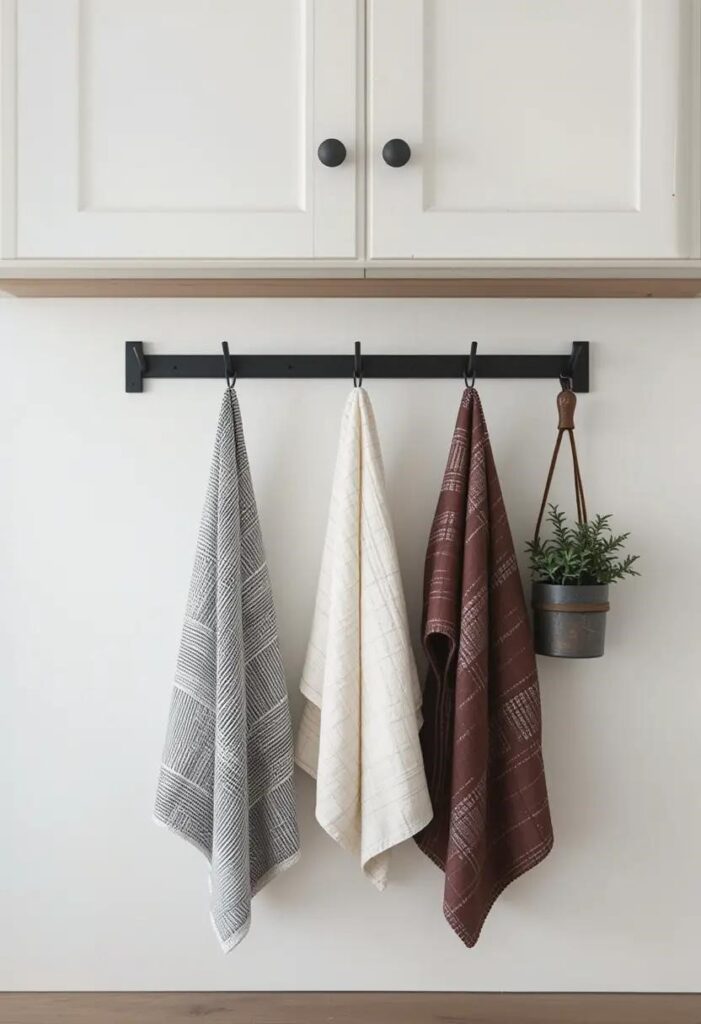
Rail systems combine the functionality of shelving with the convenience of hooks and holders. These horizontal rails can support cutting boards, towels, utensils, and small containers. Utilizing empty wall space in the kitchen becomes straightforward when you install rails at appropriate heights for different family members.
Position rails 6-8 inches below upper cabinets to avoid interference while maintaining easy access. Stainless steel rails complement most kitchen designs and resist corrosion from cooking moisture and heat.
5. Transform Kitchen Wall Space with Fold-Down Tables and Cutting Boards
Wall-mounted fold-down surfaces provide additional workspace when needed and fold flat against the wall when not in use. These installations work well in narrow kitchens or as supplementary prep areas during large meal preparation. Wall-mounted cutting boards can be hinged to flip down when needed and store vertically when not in use.
Consider the height carefully when installing fold-down surfaces. Standard counter height (36 inches) works for most adults, but adjust based on your household’s needs. Ensure adequate clearance below for comfortable use and easy folding.
6. Kitchen Wall Storage Ideas for Pantry Items
Wall-mounted pantry storage extends your food storage capacity without requiring floor space. Install narrow shelves or cabinet systems designed specifically for pantry items. Vertical storage solutions work particularly well for canned goods, spices, and dry ingredients.
Use clear containers for dry goods to maintain freshness while creating visual appeal. Group similar items together and consider adding subtle lighting to make items easier to locate. Adjustable shelving accommodates containers of different heights and allows for future reorganization.
Planning Your Kitchen Wall Space Transformation
Before implementing any storage solutions, measure your available wall space and consider your daily cooking routines. Identify which items you use most frequently and plan to store these at the most accessible heights and locations. Consider traffic patterns to avoid creating obstacles in your kitchen workflow.
Think about cleaning and maintenance when selecting materials. Surfaces near the stove require more frequent cleaning than those in less active areas. Choose materials that can withstand kitchen conditions while being easy to clean and maintain.
Kitchen wall space optimization requires balancing functionality with safety. Ensure heavy items are properly supported and avoid placing storage directly above heat sources unless specifically designed for that purpose. Always follow manufacturer weight limits and use appropriate mounting hardware for your wall type.
These six approaches to utilizing your kitchen wall space can transform both the functionality and organization of your cooking area. Start with one or two solutions that address your most pressing storage needs, then expand your system as needed. With proper planning and execution, your kitchen walls can become valuable storage assets that enhance your daily cooking experience.
Questions & Answers
What height should I install kitchen wall shelves?
Install frequently used shelves between 12-18 inches above countertops for easy access. Upper shelves can go up to 20 inches below the ceiling, but reserve these for items used less often. Consider the height of all household members when planning shelf placement.
How much weight can wall-mounted kitchen shelves hold?
Standard drywall anchors support 20-30 pounds per shelf, while mounting into wall studs can support 50-80 pounds or more. Always check manufacturer specifications and use appropriate hardware for your wall type. Distribute weight evenly across the shelf length rather than concentrating it in one area.
What materials work well for kitchen wall storage?
Stainless steel and sealed wood perform well in kitchen environments. Avoid untreated wood or materials that can’t handle moisture and temperature changes. Powder-coated metal resists corrosion and provides durability for long-term use.
How do I organize items on kitchen wall storage?
Group similar items together and place frequently used items at eye level. Use clear containers for dry goods and label storage areas to maintain organization. Consider cooking workflow when deciding what to store where.
Can I install wall storage myself?
Basic floating shelves and magnetic strips are suitable for DIY installation. More complex systems like pegboard or fold-down tables may require professional installation, especially if electrical work is involved. Always locate wall studs for secure mounting of heavier items.
How do I clean wall-mounted kitchen storage?
Regular dusting and wiping with appropriate cleaners maintains most wall storage. Remove items periodically for thorough cleaning. Avoid abrasive cleaners on finished surfaces and follow manufacturer recommendations for specific materials.